


When it comes to keeping your home dry and safe, waterproof vinyl membrane installation is a solid choice. A lot of people don’t think about how much water can sneak into decks, patios, or even flat roofs until it’s too late. Vinyl membranes are designed to stop leaks before they start, and they’re easier to take care of than wood or composite. If you want something that lasts, looks good, and saves you headaches down the road, it’s worth a closer look. Here’s what you should know about why vinyl membranes are a smart pick for home waterproofing.
Key Takeaways
- Waterproof vinyl membrane installation keeps water out and helps prevent damage to decks, patios, and roofs.
- Vinyl membranes are easier to clean and require less upkeep than wood or composite surfaces.
- They last longer and don’t crack, warp, or rot like other materials do.
- Vinyl surfaces resist mold, mildew, and slipping, which makes them safer and healthier for families.
- You can pick from lots of colors and styles, so your outdoor space looks the way you want without sacrificing protection.
How Waterproof Vinyl Membrane Installation Works for Home Protection
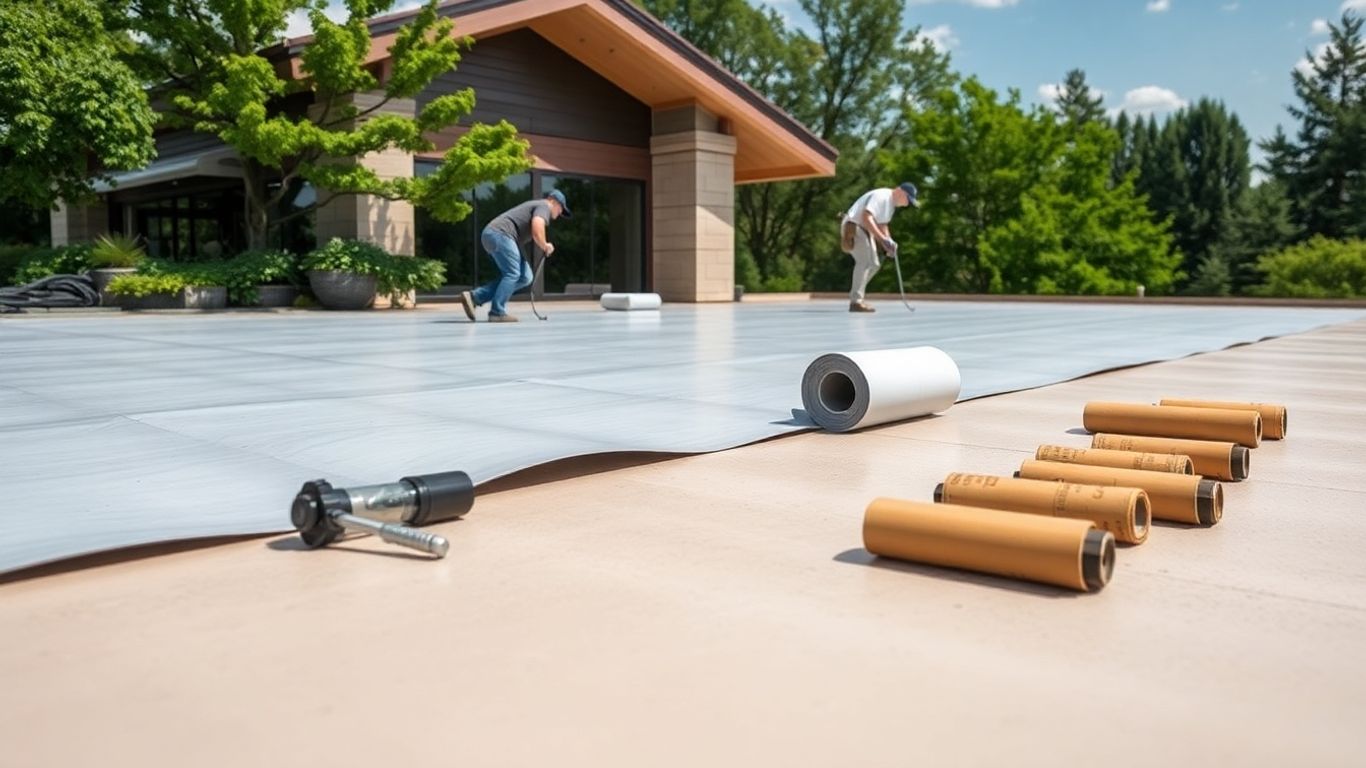
Creating a Seamless Moisture Barrier
When it comes to blocking out water, vinyl membranes really set the standard. A single continuous sheet, heat-welded at the seams, forms a complete shield over surfaces like decks, patios, and balconies. This makes it almost impossible for water to sneak through into the space below. The material is flexible, so it can curve up walls or around corners, eliminating those annoying weak spots where leaks can start.
- Fully covers wood or concrete with no exposed joints
- Wraps easily around posts, pipes, or railings
- Heat-welded seams mean even heavy rain can’t penetrate
If you’ve ever had to deal with a leaky deck, you know what a headache that can be. With a vinyl membrane, you’re not constantly worrying about drips, dampness, or hidden moisture damage.
Preventing Structural Water Damage
Water is brutal on wood and most construction materials. Over time, it seeps in, causing rot, swelling, and mold that weaken everything. Vinyl membranes stop this in its tracks by keeping moisture out. Some key benefits:
| Problem | How Vinyl Membrane Fixes It |
|---|---|
| Wood rot | No water reaches the wood |
| Mold/mildew | Dry conditions prevent growth |
| Rust on hardware | Metal stays protected |
| Swelling/cracks | Structure stays stable |
Even after years of harsh winters or heavy rainfall, that protected substructure can stand up strong because water simply never gets a chance to do its damage.
Key Steps in Professional Installation
Getting vinyl membrane installed right is important. Here’s how pros usually do it:
- Prep the surface (plywood or concrete) so it’s perfectly smooth and clean.
- Roll out the membrane, cut to fit tightly around corners and edges.
- Use a hot-air welder to fuse seams—this is way stronger than a tape or glue joint.
- Seal all posts, drains, and edges for a totally watertight finish.
That’s it. With the hard work out of the way, you get a waterproof outdoor space that’s ready for anything the weather throws at it. One less thing to stress about at home.
Advantages of Choosing Waterproof Vinyl Membrane Installation Over Other Solutions
When you’re trying to protect your deck or flat roof from water damage, not all solutions measure up. Vinyl membrane decking creates a single, protective layer that stops water from ever getting through the surface. This is way better than traditional coatings or tiles, where seams and cracks become leak risks over time. A continuous vinyl barrier blocks moisture completely, and that means no rot, swelling, or sneaky leaks that can ruin substructures.
Some waterproofing methods always seem to need touch-ups or redo’s, but a well-installed vinyl membrane does its job for decades. If you live in a rainy or snowy area, this isn’t just nice to have—it’s a must. Water never gets a foothold.
Wet decks cause a lot more than puddles. Even a small leak can mean thousands in repairs down the road. A proper waterproofing layer with vinyl goes a long way toward peace of mind.
Minimal Maintenance Requirements
You know how wood decks need annual sanding, staining, or sealing? And don’t get me started on composite—they’re better, but still need cleaning to avoid buildup or fading. With vinyl membranes, you avoid that hassle. All it takes is a rinse or a sweep to keep things looking sharp. No expensive cleaners, no sealing days. Just a bit of mild soap from time to time and you’re set.
- No staining, painting, or sealing required
- Simple to clean: spray with a hose or use gentle soap
- No special tools or equipment needed
If you’re sick of the maintenance merry-go-round, vinyl deck membranes provide a cost-effective waterproofing solution that lets you get your weekends back.
Long-Term Durability Compared to Wood and Composite
When you compare how vinyl holds up against other materials, it’s not even close. Wood can warp, crack, or rot after repeated wet and dry cycles. Composite lasts better but still gets mold and fade issues eventually. Vinyl, though, just shrugs it all off. It’s designed to resist water, temperature swings, and daily wear for over 20 years with almost no change in appearance or function.
Here’s a quick comparison:
| Material | Typical Lifespan (years) | Ongoing Maintenance | Common Issues |
|---|---|---|---|
| Wood | 10-15 | High | Rot, warping, cracking |
| Composite | 15-20 | Moderate | Fading, mold staining |
| Vinyl | 20-30+ | Low | Rare—occasionally puncture |
Not worrying about splinters, fading, or mushy boards underfoot is a big relief. In climates with harsh sun, snow, or rain, you’ll notice vinyl’s toughness more and more as the years go by.
All around, picking vinyl means fewer repairs, longer service, and way less maintenance stress.
Enhancing Safety and Comfort With Vinyl Membranes
Vinyl membranes don’t just keep water out—they make your living space safer and more comfortable when wet, sunny, or humid conditions show up. If you’ve ever slipped on a wooden deck after a rainstorm or spent the day scrubbing away mold stains, you know these details matter. Here’s what sets vinyl membranes apart when it comes to safety and comfort.
Slip-Resistant Surfaces for Wet Conditions
Vinyl membranes are designed with a textured finish that grips your feet, even if the surface is damp. This non-slip quality is especially important around pools, patios, and walkways where water is always a possibility.
- Safe walking conditions, even after rain or cleaning
- Fewer accidents in busy family areas or during parties
- Peace of mind for seniors or folks with mobility concerns
Many homeowners have found that this feature is what makes vinyl the preferred choice over traditional decking. In waterproof applications, such as LVT (Luxury Vinyl Tile), the slip-resistant finish works particularly well in bathrooms and high-moisture areas, further increasing both function and safety. You can read more about these features in this overview on LVT waterproof benefits.
Mold and Mildew Resistance
One big enemy of comfort is musty smells and slimy surfaces. Vinyl membranes stop mold and mildew from growing because they don’t allow water to soak in or stay underneath. The lack of organic material means fungus can’t really get a foothold in the first place.
Here’s what that means for your home:
- Cleaner, fresher outdoor air
- Surfaces that never turn green or slimy
- Less time spent cleaning or scrubbing
Quick clean-ups are part of living with vinyl membranes—you just wash them off with water and a bit of mild soap. It’s simple, fast, and keeps everything in good shape all year.
UV Protection for Outdoor Use
Vinyl membranes don’t just fight water; they stand up to the sun, too. UV rays eventually break down some outdoor materials, causing color changes or even cracks. Vinyl membranes are specially made to resist fading and brittleness caused by the sun.
Compare how various materials hold up under direct sunlight:
| Material | UV Resistance | Typical Lifespan (years) |
|---|---|---|
| Vinyl Membrane | High | 20–30 |
| Wood | Low | 8–12 |
| Composite | Medium | 15–20 |
So, if you’re tired of touching up paint or replacing warped planks every few summers, a vinyl membrane is a good bet for a low-hassle, comfortable outdoor space. They make your deck or roof a safer place to relax—and one that’s easier to keep in good condition, too.
Aesthetic Flexibility and Customization With Vinyl Membranes
Vinyl membranes for decks and outdoor spaces aren’t just about keeping water out. They also open up a world of style options that other waterproofing solutions just can’t match. If you’ve ever had to pick out decking or roofing materials, you know how limited colors and textures can be. Vinyl shakes all that up with its wide selection.
Wide Range of Colors and Finishes
Vinyl membranes come in just about every color you can think of—whether you want something neutral to blend in, or need a bold color for a modern space. Many brands even offer textured finishes that mimic stone, wood grain, or tile.
Here’s a quick look at what you can typically pick from:
| Finish | Texture Options | Color Range |
|---|---|---|
| Smooth | Simulated Stone | Earth Tones |
| Embossed | Wood Grain | Grays, Beiges, Blues |
| Matte | Tile-Look | Bold/Custom Colors |
This level of choice makes it simple to coordinate with almost any home style or landscape.
Seamless Integration With Outdoor Design
One of the real perks is how vinyl membranes can blend right into your current setup. Unlike wood or composite that require a very specific sub-base, vinyl is flexible in installation and can cover awkward details or shapes that ordinary materials struggle with. Whether you’re wrapping posts, covering stairs, or matching the pattern on your patio, vinyl can be welded or cut to fit just right.
- Covers odd corners or trims that other systems can’t handle
- Works over existing materials (wood, concrete, plywood)
- Easily transitions between deck and adjoining walkways
Vinyl membranes let you keep your outdoor space unified and neat, without weird seams, mismatched panels, or big maintenance headaches.
Adding Value and Visual Appeal to Your Home
When homes look newer and cleaner, they pull in buyers—and appraisers take note. Vinyl membranes aren’t just a quick facelift; they actually raise the perceived value because of:
- Easy upkeep, which keeps the color and finish looking sharp over many years
- Continuous waterproofing, which protects the substructure and gives peace of mind
- Wide design flexibility—you can tailor the look for resale or your own taste
If you compare the lasting good looks of vinyl against poured concrete or pressure-treated lumber, the difference is obvious after just a couple of seasons. There’s no fading or peeling, no patchy repairs, and no water stains that you have to ignore or cover up.
In the end, that means more enjoyment for you now, and a more attractive home if you decide to sell.
Common Applications for Waterproof Vinyl Membrane Installation
Vinyl membranes might sound simple, but they’re genuinely adaptable, especially for outdoor home spaces where water is a concern. Here’s a closer look at the most common ways homeowners use waterproof vinyl membranes:
Balconies and Rooftop Decks
Balconies and rooftop decks benefit hugely from vinyl membranes because they create a reliable, protective barrier over living spaces below. No one wants water leaking through the ceiling or mold taking root. Applying a waterproof vinyl layer stops this problem before it starts. Plus, many apartment and condo complexes prefer vinyl for upper levels since it holds up to foot traffic and drastic temperature swings.
- Stops water from seeping into rooms underneath
- Stays strong through snow, rain, and sunlight
- Looks neat and tidy, which matters for curb appeal
With vinyl membranes on a rooftop deck or balcony, you won’t worry about leaks after storms or snowmelt—these surfaces are built to stay dry.
Patios and Pool Surrounds
Patios and pool areas are magnets for moisture and puddles, making slip-resistance and water-tight seals a must. Vinyl membranes don’t just act as a shield—they also help patios and pool surroundings last way longer than traditional surfacing options.
- Adds slip-resistance for safety around water
- Resists chlorine and sun damage better than wood
- Quick, easy cleaning—dirt and spills wash off fast
| Area | Slip-Resistant | Waterproof | Maintenance |
|---|---|---|---|
| Vinyl Membrane | Yes | Yes | Low |
| Tile | No/Varies | Partial | Moderate |
| Concrete | No | Partial | Moderate |
Flat Roofs and Over-Living Spaces
If you’ve got a flat roof—maybe over a garage or part of your house—vinyl membranes are basically made for this. Water doesn’t run off like it does on a steep roof, so you need something that won’t let moisture sneak through. Vinyl membranes create a tight, continuous seal. This means no leaks, fewer headaches from water stains, and less risk of rot or mildew inside.
- Shields living spaces from rain and snow
- Lowers the odds of needing future repairs
- Holds up even when the roof gets walked on by maintenance crews
In short: whether you’re dealing with balconies, patios, poolside zones, or flat roofs, vinyl membranes are a direct, practical fix for keeping things dry. They just work—and that’s honestly refreshing.
Cost-Effectiveness and Long-Term Savings of Vinyl Membrane Decking
Upfront Investment Versus Ongoing Maintenance
With any big home project, there’s that first moment of sticker shock. But with vinyl membrane decking, the higher initial price tag really pays you back over the years.
| Material Type | Upfront Cost | Annual Maintenance | Average Lifespan |
|---|---|---|---|
| Vinyl Membrane | High | Low | 20-30 years |
| Wood | Moderate | High | 10-15 years |
| Composite | High | Moderate | 15-25 years |
Vinyl membrane needs practically zero ongoing work. There’s no sanding, staining, or re-sealing each season. Just clean it off once in a while and that’s it. You’ll save real money on labor, time, and materials year after year.
Extending Deck and Roof Lifespan
Sometimes, folks forget how much water damage, UV, and mold can wear down other deck materials. Vinyl simply lasts longer, because it keeps moisture and sun off the underlying structure. Some benefits include:
- Shields the surface from rain, snow, and sun
- Prevents wood rot and rust in the substructure
- Holds up in hot, cold, or humid areas
If you want one less thing around the house to babysit (and who doesn’t?), a vinyl membrane lets your deck just get on with its job for decades.
Reducing Long-Term Repair Expenses
Over time, little problems with other materials add up—loose boards, splintering, leaks, even structural repairs. Vinyl prevents a lot of these from happening in the first place:
- Stops water from reaching joists and beams
- No cracks or splinters for water or pests to get into
- Surface stays smooth, so there’s less damage from dragging furniture
When you add up the cash saved on repairs, plus all the weekends you don’t spend fixing stuff, the value becomes really obvious. Vinyl membrane decking isn’t just about curb appeal—it’s about keeping your money (and your time) where you want it.
Environmental Impact and Sustainability Considerations
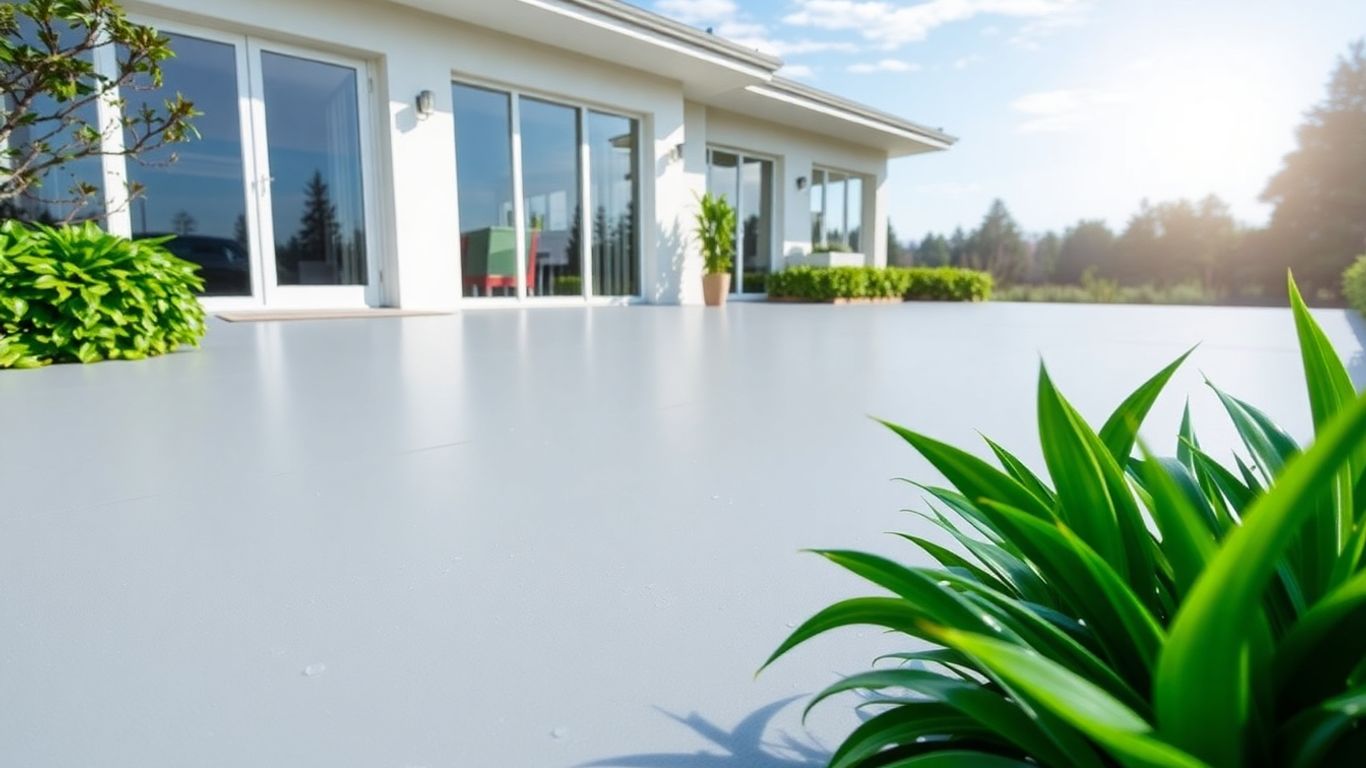
Vinyl membranes have become a common option for waterproofing, but a lot of people wonder: are they actually friendly to our environment? When you look closer at how they work and last, you start to see the pros and cons for the planet—not just your home.
Reducing the Need for Chemical Sealants
One of the most noticeable benefits of vinyl membranes is that they don’t need regular staining or sealing, unlike wood decks. This means you’re not adding chemical-based products to your outdoor environment every year.
- Less exposure to toxic chemicals around your home.
- Fewer air and water pollutants from ongoing maintenance.
- Simple cleaning using water and mild soap instead of harsh treatments.
Keeping chemicals out of your yard isn’t just good for the grass—you’ll notice the change over time with fewer smells and residue, especially after rain.
Longevity Minimizes Waste
Vinyl membranes typically last 20 to 30 years with only light cleaning and occasional checks. That lifespan means you’re not replacing flooring or decking every decade.
| Material | Typical Lifespan | Waste Created (over 30 years) |
|---|---|---|
| Vinyl Membrane | 20–30 years | Low (few replacements) |
| Wood Decking | 10–15 years | High (multiple replacements) |
| Composite Decking | 15–25 years | Moderate |
A longer lifespan equals less waste in landfills and fewer resources used for replacements. That’s a noticeable difference if you’re concerned with the planet.
Eco-Friendly Maintenance Practices
With vinyl, cleaning and routine care is easy to manage without much impact on the environment. Here’s what you can count on:
- No sanding or refinishing needed—so no dust or microplastics.
- Gentle soap and water get the job done, limiting your use of detergents.
- Occasional spot checks instead of annual overhauls.
While vinyl is made from PVC, choosing a product that will last decades and uses low-toxicity cleaning can make a huge difference for eco-conscious homeowners.
If you prioritize reducing your chemical use and waste output, vinyl membranes can be a practical pick. Just remember: when it finally wears out, recycling or safe disposal is always the smarter move for the environment.
Conclusion
To sum it up, vinyl membranes just make sense for home waterproofing. They keep water out, last for years, and don’t need much looking after. If you’re tired of sanding, staining, or worrying about leaks, this is the way to go. The peace of mind you get from knowing your deck or roof is protected is hard to beat. Plus, cleaning is a breeze—just a bit of soap and water and you’re done. Sure, the upfront cost might be a little more than wood, but you save a lot on repairs and maintenance down the road. If you want something that works, looks good, and doesn’t eat up your weekends, vinyl membranes are a smart pick for any homeowner.
Frequently Asked Questions
What is a vinyl membrane and how does it protect my home?
A vinyl membrane is a waterproof sheet made from strong plastic. It is placed over decks, patios, or flat roofs to stop water from getting into the structure below. This keeps your home safe from leaks and water damage.
How long does vinyl membrane decking last?
Vinyl membrane decking can last 20 to 30 years when installed and cared for correctly. It is built to handle harsh weather, sunlight, and daily use without breaking down quickly.
Is vinyl membrane decking safe to walk on when wet?
Yes, vinyl membranes are made with slip-resistant surfaces. This means they are safe to walk on, even when it rains or if the area is around a pool.
Does vinyl membrane decking need a lot of maintenance?
No, it is very easy to take care of. You only need to clean it with water and mild soap. There is no need to stain, seal, or paint it like you would with wood decks.
Can vinyl membranes be used on flat roofs and over living spaces?
Absolutely! Vinyl membranes create a waterproof barrier on flat roofs and decks, making them perfect for areas above living spaces where you want to stop leaks and protect rooms below.
Is vinyl membrane decking good for the environment?
Vinyl membranes last a long time, which means less waste and fewer repairs. They also don’t need chemical sealants, so you use fewer harsh products over the years. However, they are made from PVC, so it’s important to dispose of them properly when they are replaced.
