


Texas homeowners often face unique challenges with their roofs, from intense sun to sudden storms. When it comes to roof upkeep, we sometimes find ourselves needing to get up there for inspections or minor fixes. This is where a walkable roof membrane can make a big difference. We’re going to look at why these membranes are a smart choice for our homes and what to think about when getting one installed.
Key Takeaways
- Walkable roof membranes provide a tough surface that holds up better over time, meaning fewer repairs and replacements. This durability is a big plus for Texas weather.
- Having a roof you can safely walk on makes maintenance tasks much easier. We can get to vents, AC units, or just inspect for damage without worrying about stepping through the roof.
- When we’re thinking about getting a walkable roof membrane installation, we need to pick materials that can handle the Texas heat and sun. Getting professional help with the installation is also important to make sure it’s done right.
Benefits Of Walkable Roof Membranes For Texas Homes
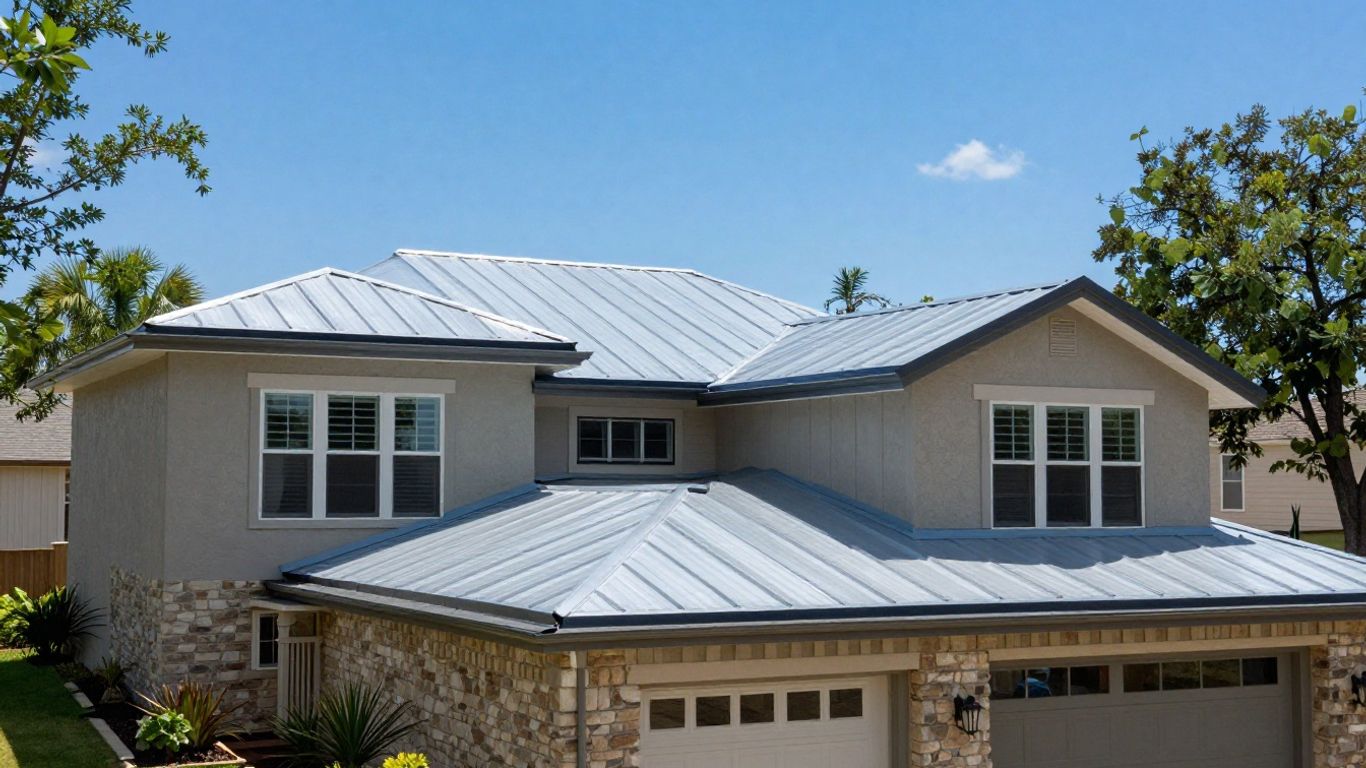
When we think about our homes here in Texas, we often focus on the walls, the foundation, and maybe even the landscaping. But what about the roof? It’s our first line of defense against the intense sun and occasional storms. That’s where walkable roof membranes come into play, and honestly, they’re worth a serious look for any homeowner.
Enhanced Durability And Longevity
Let’s face it, Texas weather can be tough on roofs. We get scorching heat for months on end, plus sudden downpours and sometimes even hail. Standard roofing materials can take a beating, leading to cracks, leaks, and the need for frequent repairs. Walkable roof membranes, however, are built differently. They’re designed to withstand more than just the elements; they can handle foot traffic too. This means if you need to get up there for a quick inspection or to clear some debris, you won’t be damaging the surface. This added resilience translates directly into a longer lifespan for your roof. Think about it: a roof that can handle a bit of walking and the harsh Texas sun is going to last much longer than one that’s brittle and prone to damage. We’ve seen membranes that are still performing well after decades, outlasting conventional roofing by a significant margin. It’s a smart investment for peace of mind.
Improved Accessibility For Maintenance
One of the biggest advantages of a walkable roof membrane is simply being able to get onto your roof safely and without causing damage. For homeowners, this means easier access for routine checks. You can:
- Inspect for any potential issues after a storm.
- Clear out gutters or vents that might get clogged.
- Access satellite dishes or solar panels for cleaning or repairs.
This accessibility isn’t just about convenience; it’s about proactive maintenance. Being able to easily get up there and spot a small problem before it becomes a big, expensive leak can save us a lot of headaches and money down the line. It makes taking care of our homes a bit more manageable, especially with the unique challenges our Texas climate presents.
For many of us, the roof is out of sight, out of mind. But when it’s designed to be walked on, it becomes a more integrated part of our home’s upkeep. This changes how we can approach maintenance, making it less of a chore and more of a regular, simple task.
Choosing The Right Walkable Roof Membrane
When we’re looking at walkable roof membranes for our Texas homes, it’s not a one-size-fits-all situation. We need to think about what works best for our specific needs and, importantly, our climate. Let’s break down how we can make the best choice.
Material Considerations For Texas Climate
The Texas heat and sun can be tough on roofing materials. We want something that can stand up to intense UV rays and temperature swings without breaking down too quickly. Some common materials we might consider include:
- EPDM (Ethylene Propylene Diene Monomer): This is a synthetic rubber that’s pretty good at handling heat and UV exposure. It’s also quite flexible, which can be a plus.
- TPO (Thermoplastic Polyolefin): Often a more budget-friendly option, TPO is a single-ply membrane that’s become popular. It reflects a lot of sunlight, which can help keep our homes cooler. However, we need to be sure we’re getting a high-quality TPO that’s rated for our climate.
- PVC (Polyvinyl Chloride): This is another strong contender. PVC membranes are known for their durability and resistance to chemicals and punctures. They tend to hold up well in harsh conditions, making them a solid choice for Texas.
- Modified Bitumen: This is a bit of an older technology, but it’s still used. It’s essentially asphalt with modifiers added to make it more flexible and durable. It can be a good option, especially if we’re looking for something robust.
We really need to look at the specific product’s warranty and its performance data in hot climates. Just because a material is generally good doesn’t mean every version of it will perform well under our Texas sun.
When selecting a material, think about its reflectivity. Lighter colors will absorb less heat, which can make a noticeable difference in your home’s energy bills during those long Texas summers. It’s a simple factor that can pay off.
Professional Walkable Roof Membrane Installation
Even the best material won’t perform as it should if it’s not installed correctly. This is where we absolutely cannot cut corners. A professional installation means:
- Proper Surface Preparation: The existing roof deck needs to be clean, dry, and sound. Any issues need to be addressed before the membrane goes down.
- Correct Adhesion: Whether it’s fully adhered, mechanically fastened, or ballasted, the method needs to be appropriate for the membrane type and the roof structure. Getting this wrong can lead to lifting or premature failure.
- Seam Integrity: The seams are often the most vulnerable points. Professionals use specific techniques and materials to ensure these seams are watertight and durable, especially important with our occasional heavy rains.
- Flashing and Details: Around vents, pipes, and edges, proper flashing is key to preventing leaks. This requires skill and attention to detail.
We should always get multiple quotes from reputable roofing contractors who have specific experience with walkable roof membranes. Asking for references and checking their past work is a smart move. A poorly installed walkable roof can end up costing us more in the long run than a properly installed, less expensive option. It’s an investment, and we want it done right the first time.
A Smarter Choice for Your Texas Home
We’ve looked at how walkable roof membranes can really make a difference for homes here in Texas. They offer a way to get more out of your roof, whether that’s for maintenance, enjoying the view, or even adding some extra space. It’s about making a practical choice that can save you money and hassle down the road. When you think about the long-term care of your house, considering a roof that’s built for more than just shelter is a smart move. We believe it’s a worthwhile upgrade for many Texas homeowners looking for durability and added function.
Frequently Asked Questions
Why should we think about using walkable roof membranes for our Texas homes?
Walkable roof membranes offer a tough surface that can handle foot traffic, which is super handy for Texas homeowners. This means you can safely get onto your roof for things like checking your AC unit or cleaning out gutters without worrying about damaging the roof. Plus, these membranes are built to last, meaning they can stand up to our intense Texas weather for a long time, saving us money on repairs down the road.
What’s the best kind of walkable roof membrane for Texas’s hot weather?
When picking a membrane for our Texas homes, we need to think about the heat. Materials like TPO (thermoplastic polyolefin) or EPDM (ethylene propylene diene monomer) are often good choices because they can handle high temperatures and strong sunlight without breaking down. Some membranes also come with special coatings that reflect the sun’s rays, helping to keep our homes cooler and lowering energy bills. It’s wise to chat with a pro about what works best in your specific area.
How do we make sure our walkable roof membrane is put on correctly?
Getting a walkable roof membrane installed the right way is really important for it to work well and last. We should always hire experienced roofers who know how to handle these special materials. They’ll make sure the membrane is sealed up tight to keep water out and that it’s attached securely so it won’t lift in strong winds. Proper installation means we get all the benefits, like durability and safety, for years to come.
