


As spring arrives in the Hill Country, many of us are thinking about spending more time outdoors. If you have a patio that sits above another level, you might be wondering about the best way to cover it. We want to explore some ideas for walkable roof membrane solutions that can make these spaces both functional and attractive for our outdoor living areas.
Key Takeaways
- When picking a material for your patio roof, think about how tough it needs to be and what it will look like. The climate here can be rough, so we need something that holds up.
- How the membrane is put on matters a lot for how long it lasts. Getting it done right means fewer problems down the road.
- There are different looks and features available for walkable roof membranes. Taking care of it properly will keep your patio looking good all year.
Durable Walkable Roof Membrane Solutions For Hill Country Patios
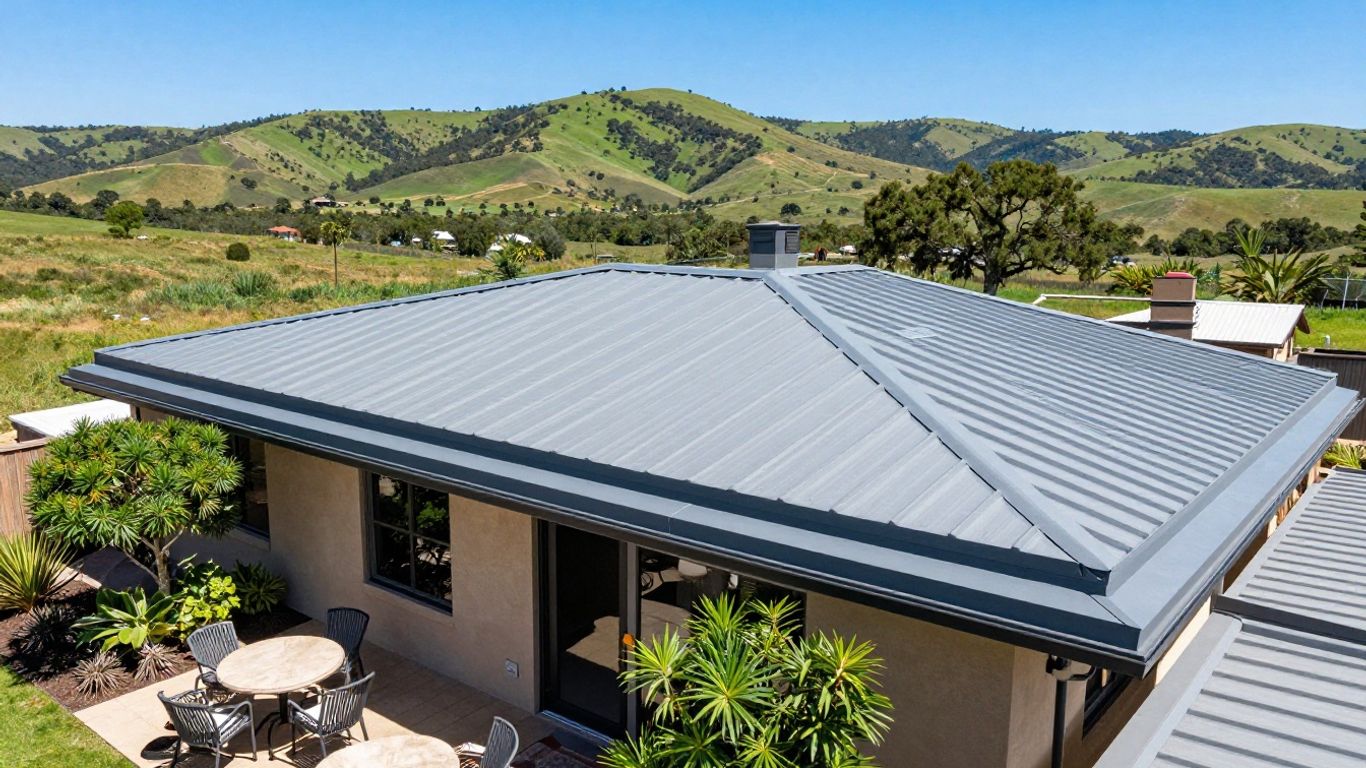
When we think about our Hill Country patios, we want them to be more than just a place to set out chairs. We want them to be functional spaces, and that often means considering the roof above. A walkable roof membrane isn’t just about keeping the rain out; it’s about adding usable square footage to our homes. For our patios, especially those with a view, having a roof we can actually walk on opens up a lot of possibilities, whether for maintenance, setting up a small garden, or just enjoying a different perspective.
Choosing The Right Material For Your Patio
Selecting the correct material for a walkable patio roof is a big decision, especially with the unique weather patterns we see here in the Hill Country. We need something that can handle the intense summer sun, sudden downpours, and the occasional freeze. Our goal is to find a balance between durability, cost, and how it looks.
Here are some common options we often consider:
- EPDM Rubber Roofing: This is a synthetic rubber membrane, often black, that’s known for its toughness and resistance to UV rays and extreme temperatures. It’s pretty flexible, which helps it handle building movement. We can also get it in lighter colors if the black isn’t the look we’re going for.
- TPO (Thermoplastic Polyolefin) Membrane: TPO is a single-ply roofing material that’s become quite popular. It’s white, which helps reflect sunlight and keep the space below cooler. It’s also resistant to punctures and tears, which is a plus.
- PVC (Polyvinyl Chloride) Roofing: Similar to TPO, PVC is another single-ply membrane. It’s known for its strength and resistance to chemicals and fire. It can be a bit more rigid than EPDM but offers excellent durability.
- Coated Concrete: Sometimes, a specially treated concrete surface can be made walkable. This usually involves a waterproofing membrane applied over the concrete, followed by a protective coating. It gives a very solid feel underfoot.
The best choice often depends on the specific load the roof will bear and the desired aesthetic. We also need to think about how much direct sunlight it will get and how much foot traffic it’s expected to handle.
Installation Considerations For Longevity
Getting the installation right is just as important as picking the material. A poorly installed roof membrane, no matter how good the material is, won’t last. We want to make sure we’re setting ourselves up for years of trouble-free use.
Here are some key things we always keep in mind:
- Proper Substrate Preparation: The surface underneath the membrane needs to be clean, dry, and smooth. Any debris or unevenness can cause problems down the line, like punctures or weak spots.
- Secure Fastening: How the membrane is attached to the roof deck matters a lot. Depending on the material and the roof structure, this could involve adhesives, mechanical fasteners, or even ballasting with gravel or pavers. We need to make sure it’s firmly secured against wind uplift.
- Flashing and Sealing: The edges, corners, and any penetrations (like vents or skylights) are critical areas. These need to be meticulously flashed and sealed to prevent water from getting underneath the membrane. This is often where leaks start if not done correctly.
- Drainage: Even though it’s a roof, water needs a way to get off. We need to ensure there’s adequate slope and proper drainage systems in place so water doesn’t pool on the surface. Standing water can put extra stress on the membrane and lead to premature wear.
We’ve found that taking the time to understand the specific requirements of our Hill Country climate and patio structure really pays off. It’s not just about slapping down a sheet of material; it’s about creating a system that works with the environment and the building.
When we’re looking at materials, we also consider the warranty offered by the manufacturer. A good warranty can give us peace of mind, but we always read the fine print to know exactly what’s covered and for how long. It’s a good indicator of how confident the company is in their product and installation methods.
Enhancing Your Outdoor Living With Walkable Roof Membrane Options
When we think about our patios in the Hill Country, we often focus on the ground level. But what about the space above? A walkable roof membrane can really change how we use our outdoor areas. It’s not just about keeping the rain out; it’s about adding usable square footage. We’ve found that by considering these options, we can get more out of our homes, especially during those lovely spring months.
Aesthetic and Functional Walkable Roof Membrane Choices
Choosing the right look and feel for your patio roof is important. We want something that looks good but also holds up to our Texas weather. There are several materials that work well.
- EPDM (Ethylene Propylene Diene Monomer): This is a synthetic rubber roofing material. It’s known for being tough and flexible. It handles temperature changes pretty well, which is a big plus here. It’s also pretty good at resisting UV rays.
- TPO (Thermoplastic Polyolefin): This is another popular choice. It’s a single-ply roofing membrane that’s often white, which helps reflect sunlight and keep things cooler underneath. It’s durable and can be a cost-effective option.
- PVC (Polyvinyl Chloride): Similar to TPO, PVC is a strong single-ply membrane. It’s known for its resistance to chemicals and punctures. It can also be welded together, creating a really solid, watertight seam.
- Coated Decking Systems: These systems often involve a liquid-applied coating over a plywood or concrete deck. They can offer a variety of finishes, from a simple, clean look to something that mimics wood or tile. These are great if you want a specific aesthetic that matches your home’s style.
We’ve seen some patios where they’ve used a textured coating that feels almost like a stone pathway underfoot. It’s quite a surprise the first time you walk on it! It really makes the space feel like an extension of the living area, not just a roof.
Maintenance Tips For Year-Round Enjoyment
Keeping your walkable roof membrane in good shape means it’ll last longer and keep looking good. It’s not a lot of work, but a little attention goes a long way.
- Regular Cleaning: We recommend sweeping or hosing down the surface at least twice a year. This gets rid of dirt, leaves, and any debris that could cause wear or block drainage.
- Inspect for Damage: Take a look around for any signs of wear, like cracks, blisters, or loose seams. Pay special attention after big storms.
- Clear Drains and Gutters: Make sure water can flow freely. Clogged drains can lead to standing water, which is bad for any roof membrane.
- Avoid Sharp Objects: Try not to drag heavy furniture or sharp-edged items across the surface. Use furniture pads if needed.
Taking care of your walkable roof membrane is like tending to any part of your home’s exterior. A little effort now prevents bigger problems later. It means you can enjoy that extra outdoor space without worry, season after season.
We’ve found that a simple visual inspection every few months is usually enough. If you spot something that looks off, it’s best to get it checked out by a professional sooner rather than later. It’s better to fix a small issue before it becomes a major repair.
Wrapping Up Our Walkable Roof Ideas
So, we’ve looked at some ways to make your Hill Country patio roof a place you can actually walk on. It’s not just about looks, but about making the most of your outdoor space, especially as the weather warms up. Thinking about these options now means you can get ready for spring and enjoy your patio even more. We hope this gives you some good ideas to consider for your own home. Happy planning!
Frequently Asked Questions
What makes a roof membrane good for walking on, especially in our Hill Country area?
We look for membranes that are tough and can handle people walking on them regularly. Think of materials that are strong, won’t tear easily, and can stand up to the sun and weather we get here. For Hill Country patios, we especially want something that resists slipping, even when it’s wet, and can handle the heat.
How do we pick the best material for our patio roof that we can walk on?
When we choose, we consider how long it needs to last and how it looks. Some materials are super strong but might not be the prettiest. Others look great but might need more care. We also think about how much sun and rain the patio gets. Our goal is to find a balance between looking good, being tough, and fitting what you need for your outdoor space.
What are some simple ways to keep our walkable patio roof in good shape all year?
Keeping it clean is key! We suggest sweeping off leaves and dirt regularly. If you see any small issues, like a loose bit or a tiny crack, it’s best to fix it right away before it becomes a bigger problem. Also, making sure water can drain off easily helps a lot to prevent damage over time. Simple care means it will last much longer.
