


When the rain comes down, keeping our spaces safe underfoot becomes a real concern. Wet surfaces can turn everyday areas into slip hazards. We’ve been looking into ways to prevent these accidents, and it turns out there are some smart solutions out there. Specifically, we’re talking about slip resistant waterproof membrane technology. It’s a way to keep things dry and reduce the risk of falls, which is something we can all appreciate.
Key Takeaways
- We found that effective slip resistant waterproof membranes have specific features that help them work well. These include good grip surfaces and the ability to keep water out.
- New materials are changing how waterproofing works, making it better for safety. These advancements focus on giving us more traction, even when things are wet.
- When we decide to use these membranes, we need to think about where they’ll go and which type is best. Picking the right system for the job makes a big difference in keeping everyone safe.
Understanding Slip Resistant Waterproof Membrane Technology
When we talk about keeping areas safe from slips, especially when they get wet, the technology behind waterproof membranes is pretty interesting. It’s not just about stopping water; it’s about how the surface feels and grips underfoot. We’ve seen a lot of progress in this area, moving beyond simple waterproofing to creating surfaces that actively help prevent falls.
Key Features of Effective Slip Resistant Waterproof Membranes
What makes a membrane good at both keeping water out and stopping slips? We’ve found a few things are really important:
- Surface Texture: This is probably the most obvious. Membranes designed for slip resistance have a built-in texture. Think of it like the tread on a tire, but integrated into the membrane itself. This texture creates more contact points with your shoes, giving you a better grip.
- Material Composition: The actual stuff the membrane is made from matters a lot. Some materials are naturally grippier than others. Manufacturers often add specific aggregates or particles to the mix to boost this property.
- Durability: A membrane that wears down quickly won’t stay slip-resistant for long. We need materials that can handle foot traffic, weather, and whatever else gets thrown at them without losing their grip.
- Water Drainage: While it’s a waterproof membrane, how it handles water on the surface is key. Some designs help water channel away more effectively, reducing the chance of a slick layer forming.
The goal is a surface that feels secure, even when it’s raining or wet.
Material Innovations in Waterproofing for Traction
We’ve seen some neat developments in the materials used for these membranes. It’s not just about making them waterproof anymore; it’s about adding that extra layer of safety.
- Polymer Blends: New combinations of polymers are being developed that offer both excellent flexibility for waterproofing and a naturally higher coefficient of friction. This means they grip better right out of the box.
- Aggregate Integration: Instead of just a smooth surface, manufacturers are embedding small, hard particles directly into the membrane during production. These particles, often quartz or ceramic-based, create a consistent, rough texture that doesn’t wear away easily.
- Surface Treatments: Some membranes get a special coating or treatment after they’re made. This can be a spray-on or roll-on application that adds a textured finish, giving you that much-needed grip.
It’s fascinating how a material designed to keep water out can also be engineered to actively improve safety by providing better footing. This dual function is what we’re looking for in modern building solutions.
We’ve also looked at how different membranes perform under various conditions. For instance, some might be great in light rain but struggle with standing water, while others maintain their grip even when submerged. Understanding these differences helps us pick the right solution for the job.
Implementing Slip Resistant Membrane Solutions
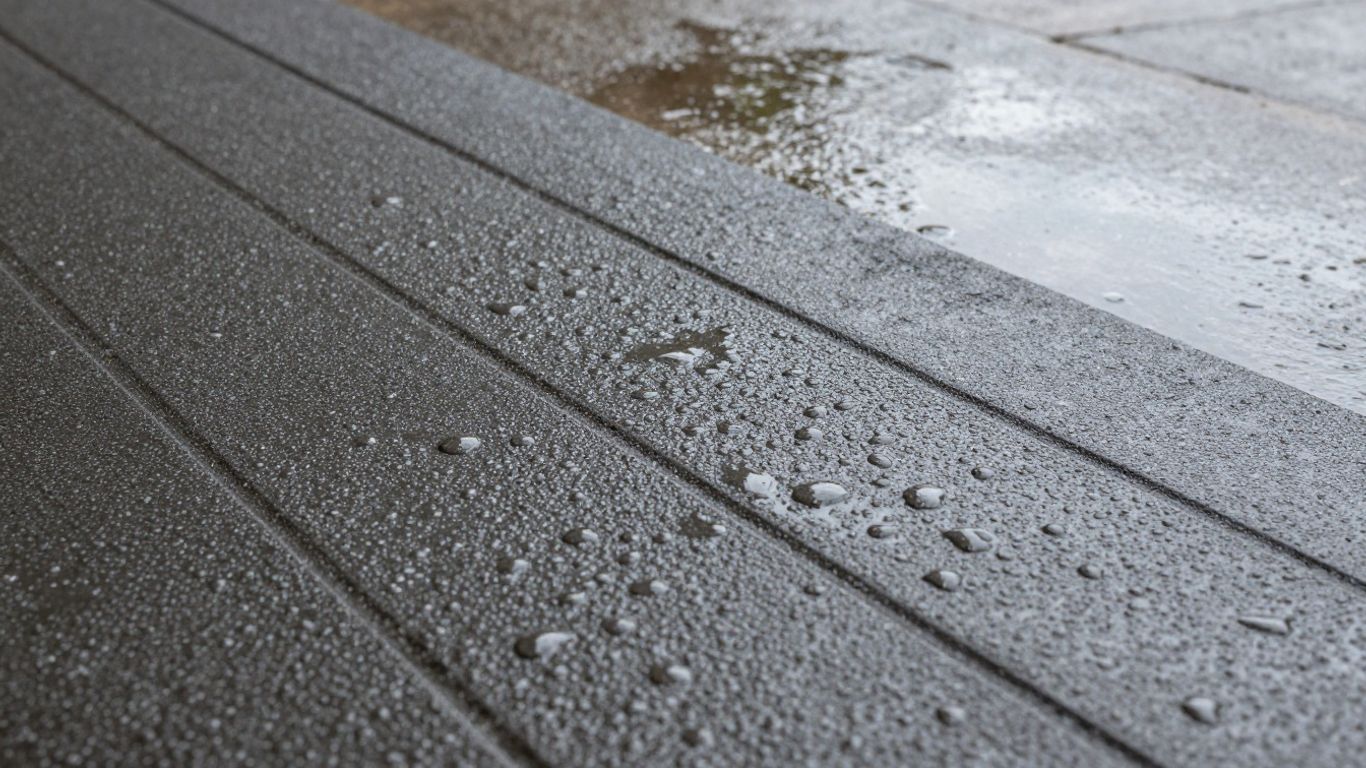
When we talk about keeping areas safe, especially when the weather turns wet, putting in the right slip-resistant waterproof membranes is a big step. It’s not just about stopping leaks; it’s about making sure people can walk around without worrying about taking a tumble. We’ve seen firsthand how a well-chosen and properly installed membrane can make a real difference.
Application Areas for Enhanced Safety
These membranes aren’t just for one type of place. We find them useful in a lot of different spots where water and foot traffic are common. Think about:
- Balconies and Terraces: These are exposed to the elements and get a lot of use. Keeping them dry and safe is key.
- Walkways and Patios: Outdoor areas that get slick when wet need reliable traction.
- Staircases (Exterior): Especially those leading into buildings or around pools, where a slip can be quite serious.
- Rooftop Decks and Common Areas: Making sure these usable spaces are safe for everyone, no matter the weather.
- Around Swimming Pools: Water splash is constant, and preventing slips is a top priority.
The goal is to create dependable surfaces that reduce risk.
Choosing the Right Slip Resistant Waterproof Membrane System
Picking the correct system can feel a bit overwhelming, but we’ve learned to look at a few things. It’s about matching the product to the specific needs of the area.
Here’s what we consider:
- Traffic Level: How many people will be walking on it? High-traffic areas need tougher membranes.
- Exposure to Elements: Will it be in direct sun all day? Does it need to handle freezing temperatures?
- Type of Footwear Expected: Are people usually in work boots, athletic shoes, or sandals?
- Aesthetic Requirements: Sometimes, how it looks matters just as much as how it performs.
- Installation Method: Some systems are easier to put down than others, which can affect cost and time.
We also pay attention to the surface texture of the membrane. Some have a very aggressive grip, while others offer a more subtle texture that still provides good traction. It’s a balance.
When selecting a system, we always ask for samples to feel the texture and see how it looks in the intended light. It helps us make a more informed choice before committing to a large area. We also check the manufacturer’s warranty and their track record for durability in similar climates.
Sometimes, we use a table to compare options, especially if we’re looking at different brands or types of membranes for a large project. It helps us see the pros and cons side-by-side.
| Membrane Type | Traction Level | Durability | Installation Ease | Cost (Est.) |
|---|---|---|---|---|
| Textured PVC | High | Good | Moderate | $$ |
| Coated Fabric | Moderate | Very Good | Easy | $$$ |
| Rubber Granule | High | Excellent | Moderate | $$$$ |
This kind of comparison helps us make sure we’re not just getting a waterproof solution, but a truly safe one for rainy days and beyond.
Wrapping Up Our Thoughts
So, we’ve looked at how slip-resistant membranes can really make a difference when the weather turns wet. It’s not just about making things look nice; it’s about keeping people safe from nasty falls. We think that using the right materials for these jobs is a smart move for anyone looking to prevent accidents. Think about it – a little bit of planning now can save a lot of trouble later. We hope this gives you some good ideas for your own projects or when you’re thinking about safety around your property. Stay dry and stay safe out there!
Frequently Asked Questions
What makes a waterproof membrane good at preventing slips?
We look for membranes with a special surface texture. Think of it like the grip on a tire. This texture creates friction, making it harder for feet to slide, even when wet. Good membranes also have materials that don’t get too slick when water is present.
Where can we use these slip-resistant membranes?
We can use them in many places where safety is important, especially when it rains. This includes outdoor walkways, stairs, pool decks, balconies, and even ramps. Anywhere water might make surfaces slippery is a good candidate for these solutions.
How do we pick the best system for our needs?
To choose the right system, we first consider where it will be used and how much foot traffic it will get. We also think about the type of weather it needs to withstand. Then, we look at the specific features of different membrane systems, like their grip level and how easy they are to install, to find the best fit for our project.
