


We’ve all seen balconies that look a bit worse for wear, right? Water damage can really take a toll, making them look old and even unsafe. But what if we told you there are simple ways to fix that? Proper waterproofing not only stops damage before it starts but also makes your outdoor space much more usable and secure. It’s about making sure that part of your home lasts a long time and stays looking good.
Key Takeaways
- Waterproofing your balcony stops damage from rain and other moisture, protecting the building’s structure and your belongings.
- Choosing the right waterproofing system means looking at how well it works, how long it lasts, and if it fits the look of your home.
- Good balcony waterproofing solutions mean you can use your balcony more often and with greater peace of mind, knowing it’s safe and sound.
Enhancing Your Outdoor Living Space With Balcony Waterproofing Solutions
We often overlook our balconies, treating them as simple extensions of our homes. But these spaces can really add to our living area, giving us a spot to relax outdoors or grow some plants. However, without proper protection, water can cause a lot of trouble. We’re talking about damage that can spread and become a real headache. Taking steps to waterproof your balcony is a smart move for protecting your property. It’s not just about keeping things dry; it’s about making sure your balcony lasts and stays safe for us to use.
Protecting Your Property From Water Damage
Water might seem harmless, but over time, it can really wear down building materials. Rain, snowmelt, and even just general moisture can seep into cracks and joints. When this water freezes and thaws, it expands, making those cracks bigger. This process, called freeze-thaw damage, can weaken concrete and other materials. We’ve seen balconies where water has gotten underneath the surface, leading to staining, spalling (where pieces of concrete break off), and even rot in wooden structures. This kind of damage doesn’t just look bad; it can compromise the structural integrity of your balcony, making it unsafe.
- Seepage: Water finding its way through small openings.
- Freeze-Thaw Cycles: Water expanding in cracks when it freezes.
- Material Degradation: Concrete spalling, wood rot, and metal corrosion.
- Mold and Mildew: Damp areas create unhealthy environments.
Ignoring water issues on your balcony can lead to expensive repairs down the line. It’s much better to address potential problems early with good waterproofing.
Improving Structural Integrity And Longevity
When we properly waterproof a balcony, we’re essentially creating a barrier that stops water from getting into the places it shouldn’t be. This barrier helps keep the underlying structure sound. Think of it like putting a good coat of paint on a car to prevent rust. For balconies, this means the concrete stays strong, any metal supports don’t corrode, and wooden elements are protected from decay. This not only makes the balcony safer to use but also significantly extends its lifespan. We want our homes to last, and that includes all the parts of them, like our balconies. A well-waterproofed balcony means fewer worries about costly repairs and more enjoyment of that outdoor space for years to come.
Choosing The Right Balcony Waterproofing Solutions For Your Home
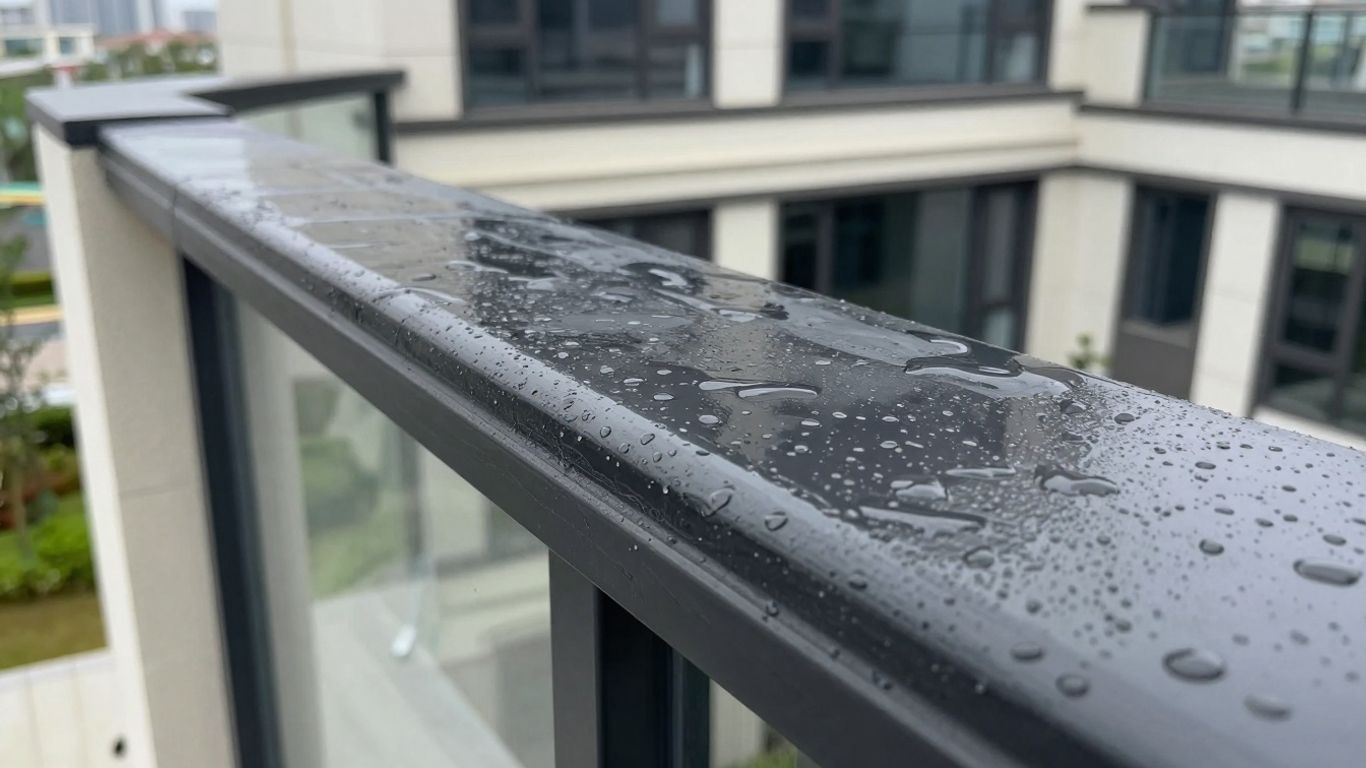
Picking the right waterproofing system for your balcony might seem like a big decision, but we’re here to break it down. It’s not just about stopping leaks; it’s about making sure your balcony lasts and looks good too. We need to look at what’s available and what will work best for our specific situation.
Understanding Different Waterproofing Systems
There are several ways to waterproof a balcony, and each has its own pros and cons. We’ve found that knowing the basics helps a lot when talking to contractors or making a choice.
- Liquid-Applied Membranes: These are like a thick paint that dries into a seamless, flexible layer. They’re great for irregular shapes and details because they can be brushed, rolled, or sprayed on. We often see these used on concrete balconies.
- Sheet Membranes: These come in large rolls, kind of like roofing felt, and are laid down and sealed at the seams. They can be made of various materials like bitumen or PVC. They offer a very reliable barrier.
- Cementitious Coatings: These are a mix of cement and polymers that you apply like a slurry. They bond well to concrete and can provide a good waterproof layer, especially when combined with other methods.
- Deck Coatings: These are often used on top of a waterproof membrane and provide a durable, walkable surface. They can come in various finishes and colors.
The goal is to create a continuous barrier that water can’t get through. This means paying attention to details like edges, drains, and where the balcony meets the building.
Considering Material Durability And Aesthetics
Beyond just keeping water out, we also want our balcony to look nice and hold up over time. The materials we choose play a big part in both.
- Durability: How long will the system last? We need to think about things like UV exposure, foot traffic, and the local climate. Some materials might need more maintenance than others.
- Aesthetics: What look are we going for? Some waterproofing systems can be left exposed, while others are meant to be covered by tiles, wood decking, or other finishes. The final look can really change the feel of the outdoor space.
- Cost: While not always the primary factor, budget is something we have to consider. More complex or higher-end systems will naturally cost more upfront, but we should also think about long-term maintenance costs.
We’ve put together a quick comparison to help visualize some common choices:
| System Type | Typical Lifespan | Common Finishes | Maintenance Needs |
|---|---|---|---|
| Liquid Membrane | 10-20 years | Tiles, Decking, Paint | Low to Moderate |
| Sheet Membrane | 15-25 years | Tiles, Decking, Pavers | Low |
| Cementitious | 5-15 years | Paint, Tiles | Moderate |
Ultimately, the best choice for us will depend on our specific balcony, budget, and the look we want to achieve. Talking to professionals who know these systems well is a good next step.
Wrapping Up Our Balcony Talk
So, we’ve talked a lot about keeping those balconies in good shape. It might seem like a small thing, but getting the waterproofing right really makes a difference. We’ve seen how it stops water from causing problems down the line, like rot or cracks, which can get expensive. Plus, a well-waterproofed balcony is just safer for everyone using it. It means we can all enjoy that outdoor space without worrying about leaks or damage. Taking care of this part of our homes is just smart planning, plain and simple. It helps protect our property and makes our living spaces better for years to come.
Frequently Asked Questions
Why is it important to keep our balconies dry?
Keeping our balconies dry is super important because water can cause a lot of damage over time. It can seep into the concrete and metal, making them weak and even causing cracks. This can lead to costly repairs down the road and make the balcony unsafe. Waterproofing acts like a shield, stopping water from getting in and protecting our homes.
What are some easy ways to make sure our balcony stays waterproof?
There are a few good ways to keep our balconies waterproof. We can use special coatings that we paint on, like a protective layer. Sometimes, we install membranes, which are like tough sheets that go under the floor. We also need to check that the drains are clear so water doesn’t sit there. Choosing the right system depends on what our balcony is made of and how it looks.
How long do balcony waterproofing jobs usually last?
The lifespan of balcony waterproofing can vary quite a bit. A good quality job, done with the right materials and properly installed, can last for many years, often 10 to 20 years or even longer. However, things like harsh weather, heavy use, or not doing regular checks can shorten its life. It’s always a good idea to inspect it now and then to catch any small issues before they become big problems.
