


Ever step out onto your deck after a rainstorm and worry about what all that water is doing to the wood? You’re not alone. Many homeowners don’t realize just how much damage moisture and sun can do to a deck over time. Residential Deck Waterproofing isn’t just some fancy upgrade—it’s a practical way to keep your deck looking good and feeling sturdy for years. In this article, we’ll break down why waterproofing matters, how it works, and the simple steps you can take to protect your outdoor space.
Key Takeaways
- Waterproofing your deck helps prevent rot, mold, and sun damage, all of which can shorten its life.
- There are several waterproofing options, like sealants, membranes, and coatings, each with different strengths.
- Proper prep—cleaning and repairing your deck first—is key to making waterproofing last.
- Regular cleaning and routine checks help your waterproofed deck stay in top shape.
- Deciding between DIY and professional waterproofing depends on your budget, time, and comfort with home projects.
Understanding the Dangers Facing Your Deck
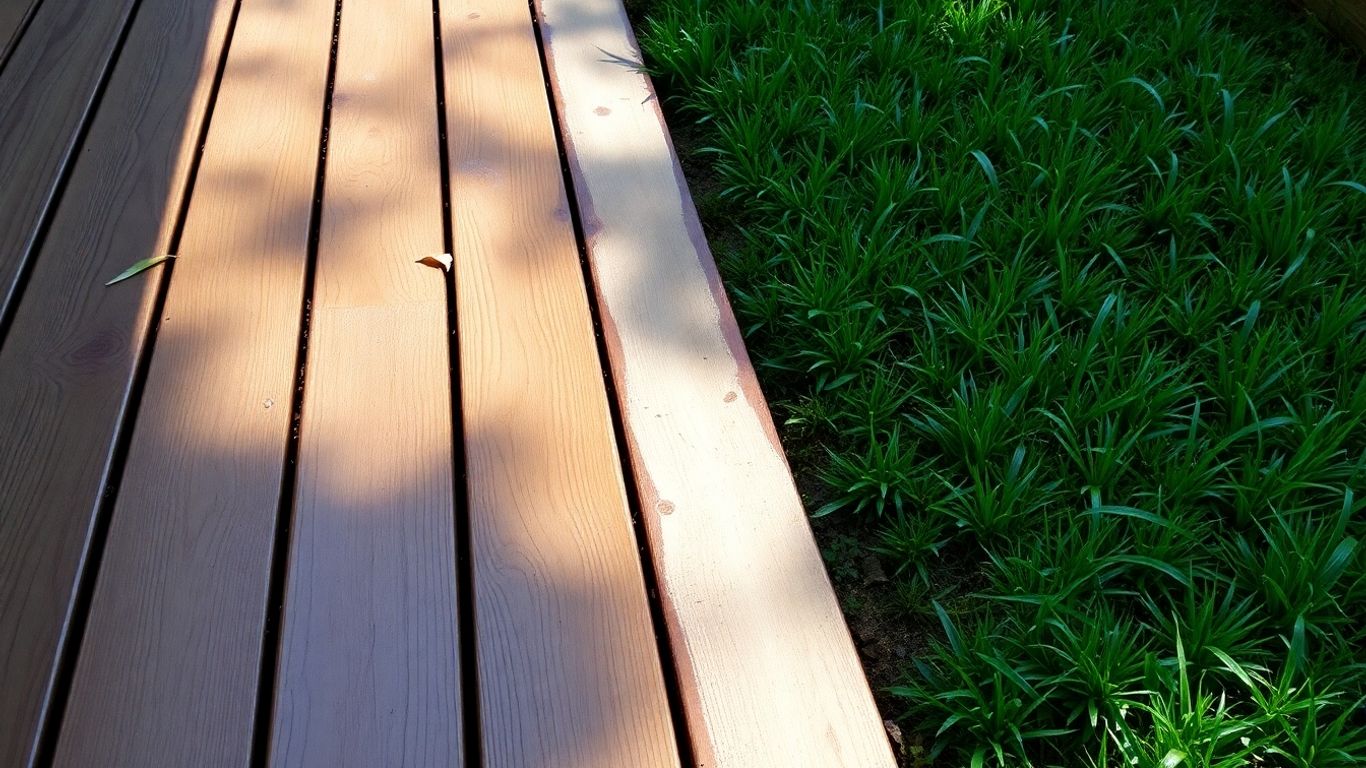
Outdoor decks always seem like they’re built to last, but the truth is, they’re constantly under attack from different sources. If you want your deck to look good for years, you’ve got to know what you’re up against. Each threat—whether it’s hidden moisture, sunlight, or unnoticed weaknesses—works against your deck in its own way. Knowing about them is the first step before you even think about waterproofing.
Moisture and Rot: Hidden Threats
Water sneaks up on decks more than anything else. Rain, morning dew, and even wet leaves can send moisture down into the wood. Over time, this moisture can cause rot, even if you can’t see it right away. Rot isn’t just ugly—it gets inside the wood, slowly ruining support beams and floorboards from the inside out. Once rot sets in, the repairs are usually serious and expensive.
- Moisture can cause mold and mildew, leading to slippery surfaces and stains
- Deck joists are especially vulnerable and, if untreated, can give out in as little as 5–10 years, as explained in rotting deck risks
- If unchecked, wood rot can demand a complete replacement of sections or even the whole deck
If you want fewer headaches (and bills), stop water before it gets a chance to move in.
UV Rays and Sun Damage
It’s not just rain you need to worry about—sunlight can be just as rough. Harsh sun breaks down the fibers in wood, drying it out, and fading that once-rich color. As the wood dries, cracks form, and the deck loses its original look.
- UV exposure leads to fading and a tired-looking deck
- Continual sunlight causes wood to splinter and weaken over time
- Deep cracks allow even more water and dirt to work their way in, speeding up the damage
Structural and Safety Risks
A deck should be sturdy and dependable. But neglecting these threats can make it unsafe for gatherings or everyday use. Boards can go soft, nails can pop up, and railings might not hold up like they did when new.
- Rotted joists or hidden decay compromise stability
- Loose boards and fasteners become tripping hazards
- Safety risks aren’t always obvious—problems often lurk underneath, unseen
| Danger | What Can Happen | How It Starts |
|---|---|---|
| Moisture/Rot | Structural weakness | Prolonged exposure to water |
| Sun/UV Damage | Fading and cracking | Direct sunlight over time |
| Structural Deterioration | Safety hazards | Ignoring repairs or upkeep |
Leaving your deck exposed to these risks is just asking for bigger (and costlier) issues down the road.
Benefits of Residential Deck Waterproofing
Extending Deck Lifespan
There’s this common frustration: you build a beautiful deck, use it for a couple years, and suddenly you spot soft spots, split boards, or rusty hardware. Waterproofing your deck is like giving it a shield against all that slow, sneaky damage. Instead of replacing boards every few years, you push off those major repairs, meaning your deck sticks around a lot longer. The wood doesn’t soak up rain every time it storms, so rot takes a back seat—even mold and mildew struggle to get started. For most families, this adds several solid years onto their deck.
| Maintenance Task | Without Waterproofing | With Waterproofing |
|---|---|---|
| Estimated Lifespan | 8-10 years | 15-20+ years |
| Major Repairs/Decade | 2-3 | 0-1 |
| Annual Cost (Avg.) | $300 | $150 |
Even if you don’t plan to live in your house forever, keeping your deck strong means you’re not just tossing money away on repairs year after year.
Preserving Natural Beauty
No one wants their deck turning gray and splintered, but between the sun, rain, and everyday use, it just happens—unless you do something about it. Waterproofing helps your deck hold onto its good looks, especially if you’re working with natural wood. The color and grain stay crisp, and the texture doesn’t go rough or patchy. Sunlight isn’t as quick to bleach out the richness, either. A simple routine keeps the deck looking cared for, so it feels good stepping outside, and your backyard never starts to feel tired or forgotten.
- Waterproofing blocks out stains from spills or muddy feet.
- Prevents wood from cracking and splintering, so barefoot walks stay comfortable.
- Helps paint and stain stick much longer, so you’re not constantly redoing finishes.
Enhancing Usable Outdoor Space
Here’s something most people don’t think about: a waterproofed deck actually creates new space to use. If you have a raised deck, sealing it properly can keep the area underneath dry—which is perfect for storing stuff, protecting a grill, or even putting in a little hangout spot for rainy days. You get more out of your square footage, and outdoor furniture and tools last longer, too.
- Extra storage space stays dry and free of mildew.
- Entertain or relax without worrying about soggy conditions.
- Protects anything you keep under the deck, from kids’ toys to that old lawnmower you swear you’ll fix someday.
Waterproofing your deck isn’t just about the wood; it’s about keeping the whole outdoor experience nice for as long as possible.
Choosing the Right Waterproofing Solution
Picking the right waterproofing for your deck isn’t just about grabbing something from the store and brushing it on. There are a few main types to think about, each with its own strengths—and headaches. Knowing what your deck’s up against, and how you plan to use it, makes all the difference.
Sealants: Classic Wood Protection
Sealants are one of the oldest go-tos for deck waterproofing. They work by soaking into the wood and shutting out moisture. This process helps the deck look natural while adding a layer of defense against rain, spills, and some UV rays. Most people like that they’re simple to apply—you usually just brush or roll them on every year or two.
- Best for decks with regular wear and natural wood looks
- Helps prevent water damage, swelling, and warping
- Easy to reapply as a DIY job
Not all sealants are created equal, though. Some have low VOCs and deeper penetration, like the Seal-Once premium wood sealer, which helps reduce chemical smells and gives thorough coverage. For a small deck or tight budget, sealants are a strong choice.
Membranes and Barriers for Maximum Defense
Membranes and barriers are sheets or rolls of material laid on top of the deck, almost like a tough raincoat. These usually get placed under your deck boards, but some are installed above (especially for concrete or tile decks). They’re often used on flat roofs or decks where keeping water out from below is super important, like if you have a patio space underneath.
| Solution Type | Installation Skill | Cost (Est.) | Maintenance | Best For |
|---|---|---|---|---|
| Rubber Membrane | Professional | $$$ | Low | Flat decks, underlayment |
| Tape Barrier | DIY-Friendly | $$ | Low | Joists, beams |
Membranes block almost all water from passing through, offering long-term protection. If you don’t want to deal with constant upkeep but don’t mind a bigger upfront spend, this is the way to go.
Coatings and Under-Deck Systems
Deck coatings are thick, paint-like products you spread over the surface. They create a solid, sometimes slightly textured shield against rain and sun. Some coatings even help stop slips—something to appreciate on rainy days. Under-deck systems, meanwhile, work to collect any water that sneaks through the deck boards and move it away, perfect for anyone wanting dry storage space or a shaded hangout under the deck.
Here’s what you often get with coatings and under-deck systems:
- Durable, foot-traffic-ready surface
- Options for slip-resistance and color
- Some maintenance to keep up with wear
When in doubt, go with a solution that matches how you use your deck, your budget, and how much time you want to spend on maintenance.
The right waterproofing method keeps your deck safe, looking good, and usable for years—not just for one season. It’s worth taking a little time to weigh your options before you pull out the brush or drill.
Step-by-Step Guide to Residential Deck Waterproofing
Waterproofing your deck isn’t especially complicated, but doing it thoroughly can mean the difference between a deck that lasts decades and one that crumbles after a rainy season. Getting this process right protects your investment and your peace of mind.
Inspection and Cleaning
Start by clearing off any furniture, planters, and the random stuff that builds up on decks. Once it’s empty, take a slow walk across each board, checking for signs of moisture, splintering, or loose fasteners. Sunlight and rain can work together to wear out certain areas, so focus extra attention in those spots. Now, scrub your deck with a wood-safe cleaner and a firm brush. Rinse and repeat until you can’t see any grime or mold. If water doesn’t bead up when sprinkled, it’s probably time to apply a new coat of waterproofing.
A spotless, damage-free surface ensures the waterproofing product really sticks and stays, instead of peeling up after only a season.
Repairing and Prepping the Surface
After cleaning, address issues right away:
- Replace any rotten or warped boards. No product can fix what’s already rotten.
- Pound down nails or tighten screws that are sticking up.
- Sand any rough patches so the whole surface is even.
If you skip repairs, you’re basically sealing moisture and decay inside the wood, which will end up costing you more in the long run.
Applying Waterproofing Products
Once your deck is clean and in good shape, pick your waterproofing approach. There are three popular choices:
| Type | Best For | Pros |
|---|---|---|
| Sealants | Simple wood decks | Fast, keeps wood look |
| Membranes | Flat/low-slope decks | Excellent barrier, durable |
| Coatings | Heavy-use or old surfaces | Adds texture, extra tough |
Whichever you choose, always start in a dry window of weather, and follow the product’s instructions. Use a brush for cracks and railings, and a roller or sprayer for big areas. Don’t forget any edges or steps. Let the product dry completely—sometimes this can take up to 48 hours.
If you don’t let things dry, or you try to use your deck too soon, you’ll end up with a sticky mess and patchy protection. So, grab a chair, take a break, and only get back on the deck when it’s fully cured.
Proven Maintenance Tips for Waterproofed Decks
Keeping your waterproofed deck in top shape isn’t exactly glamorous, but regular care really pays off. After all the work you put in sealing, coating, or adding a barrier, you don’t want to let all that effort go to waste because of skipped maintenance. These tips help you keep your outdoor space looking good and holding up against the weather.
Regular Cleaning and Inspections
- Clean the deck at least once a season to stop dirt and algae from building up.
- Use a gentle deck cleaner and a soft brush. Power washers are okay, but keep them at low pressure—too much force can strip your protective layer.
- Inspect the entire surface, including tight spaces and under railings. Look for mold, mildew, or warping each time you clean.
Staying on top of simple cleaning chores means fewer big repairs later and keeps your deck much safer for everyone.
When to Reapply Sealants
- Test your deck by sprinkling a bit of water on the surface: if it beads up, the sealant’s doing its job. If the water soaks in instead, it’s probably time to reapply your product.
- Most decks need a fresh coat every 1–3 years, but sun, rain, and heavy use can change that schedule fast.
- Make a note of when you last treated your deck, then mark your calendar for the next round based on your product’s recommended lifespan.
| Deck Condition | Water Test Result | Action Needed |
|---|---|---|
| Looks fresh | Water beads | No action yet |
| Slightly faded | Water partially beads | Spot treat exposed spots |
| Noticeable wear | Water soaks in | Full reapplication needed |
Checking for Early Signs of Wear
- Look closely for peeling, blistering, or faded finish—these are your red flags that your waterproofing is failing.
- Pay attention to that odd soft spot underfoot or unfamiliar musty smells, since these could mean hidden moisture damage.
- Address small chips and cracks as soon as you spot them, rather than waiting. Little issues are cheaper and faster to fix than big, structural ones down the line.
- Common early warning signs:
All it really takes is a few hours each season to get these tasks done. That time you put in now can save you a whole lot of hassle (and cash) over the years, not to mention keeping your favorite outdoor hangout safe and good-looking.
Common Mistakes to Avoid When Waterproofing
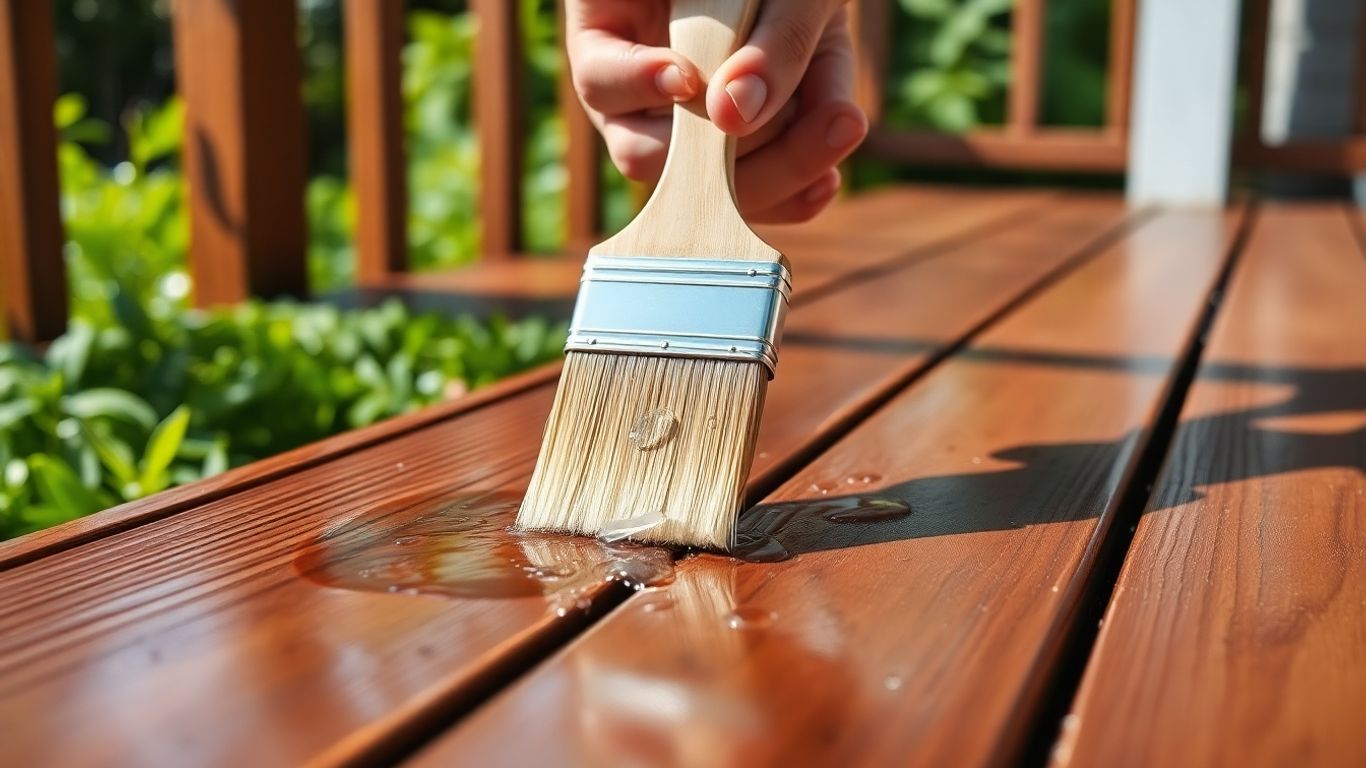
Waterproofing your deck might seem straightforward, but it’s easy to get tripped up if you miss a step. Even small mistakes can lead to big headaches down the line—like peeling finishes or even major repairs. Let’s break down the most common pitfalls people run into so you can avoid them and get results that last.
Skipping Surface Preparation
One of the biggest missteps is rushing straight to the waterproofing step. Applying sealant or membrane to a dirty, rough, or damaged deck almost guarantees poor protection.
- Always remove furniture, dirt, and debris before you start.
- Clean the surface with a deck cleaner that tackles stains and mildew, not just water.
- Sand down splinters and fix any surface damage first.
Prepping might feel like a chore, but skipping it can mean doing the job all over again.
Choosing the Wrong Waterproofing Product
All waterproofing products are not the same. Using a product designed for concrete on your wood deck or selecting a finish that can’t handle your local weather will lead to disappointment.
- Pick a sealant, membrane, or coating compatible with your deck’s material.
- Consider local climate: some products manage humidity and sun better than others.
- Check product labels and consult with a deck pro if you’re unsure.
Here’s a quick table to help you match product to deck type:
| Deck Material | Best Waterproofing Option |
|---|---|
| Wood | Penetrating Sealant, Membrane |
| Composite | Specialized Composite Sealer |
| Concrete | Epoxy or Polyurethane Coatings |
Neglecting Drying and Curing Time
After putting in all that work, it’s tempting to use your deck right away. But waterproofing products need proper time to set, stick, and protect.
- Follow the manufacturer’s recommended drying time exactly.
- Weather affects curing—humid or rainy days often mean you should wait longer.
- Avoid moving furniture or walking on the deck before it’s fully cured.
It’s a waiting game, but patience now means fewer problems later.
When it comes to waterproofing, being detail-oriented pays off. Slow down, do the prep, pick the right products, and don’t rush the drying—your deck will thank you for it.
DIY Versus Professional Deck Waterproofing
When it’s time to waterproof your deck, choosing between doing it yourself or hiring a pro can make a big difference in your deck’s long-term health. Each method comes with unique advantages and potential headaches. Here’s an honest look at what you can expect.
Assessing Your Skill Level and Budget
If you’ve never done home maintenance projects before, waterproofing a deck might be trickier than it looks. You’ll need to be patient, pay attention to detail, and be willing to get your hands dirty. Consider these factors:
- Personal comfort with tools and project instructions
- Available free time (a DIY project can take a whole weekend or longer)
- Willingness to research techniques
- Budget constraints—DIY usually saves on labor costs, but mistakes can get expensive
Even if you’re on a budget, think about the value of your time and peace of mind before starting a big project by yourself.
Tools and Products Needed for DIY Success
Don’t expect to tackle deck waterproofing with just a paintbrush. Here are some items you’ll likely need:
- Deck cleaner and scrub brush or pressure washer
- Sandpaper, sander, or scraper for removing old finishes
- Repair supplies (replacement boards, nails, screws)
- Sealant or waterproofing coatings—match this to your deck’s material!
- Sturdy brushes, rollers, or sprayers for even application
- Protective gear (gloves, eye protection, masks if using chemicals)
And always double-check the instructions on any product before opening the can.
Benefits of Hiring an Expert
Bringing in a professional might cost more up front, but consider what you get:
- Experience—pros recognize damage or trouble spots right away
- Proper equipment for a cleaner and faster job
- Warranty or guarantee for their work
- Peace of mind that every inch has been properly treated
- Efficient handling of complex jobs (like large decks or ones with structural repairs)
| Factor | DIY | Professional |
|---|---|---|
| Cost | Lower (if done right) | Higher (upfront) |
| Time Investment | High (weekend or longer) | Usually Low |
| Quality Guarantee | Dependent on your skill | Usually Provided |
| Risk of Mistakes | Higher | Low |
| Access to Equipment | Must buy/rent yourself | Included in the service |
For some folks, rolling up their sleeves is half the fun. For others, it’s less stressful to leave it to those who do this sort of thing every day. Either way, make sure you understand what your deck needs before picking a route, because there’s nothing worse than having to redo a job when water starts sneaking in next spring!
Conclusion
So, after all is said and done, waterproofing your deck is just one of those things that pays off in the long run. It might feel like a chore at first—scrubbing, sealing, waiting for things to dry—but it really does make a difference. Your deck stays looking good, holds up better against rain and sun, and you don’t have to worry as much about rot or mold sneaking in. Plus, it’s a lot cheaper to do a little maintenance now than to replace boards or rebuild the whole thing later. If you want your deck to stick around for backyard BBQs, lazy afternoons, and family get-togethers, a bit of waterproofing goes a long way. Trust me, your future self will thank you.
Frequently Asked Questions
Why is waterproofing my deck so important?
Waterproofing your deck keeps water from soaking into the wood. This helps stop rot, mold, and mildew from forming. It also protects your deck from the sun, which can fade and crack the wood. By waterproofing, you help your deck stay strong and look good for many years.
How often should I reapply waterproofing products?
Most decks need to be resealed every 1 to 3 years, depending on the product you use and your local weather. To check, sprinkle a little water on your deck. If the water soaks in instead of beading up, it’s time to reapply.
Can I waterproof my deck myself, or should I hire a professional?
You can waterproof your deck yourself if you have the right tools and follow the instructions. It’s a good project for someone who likes DIY tasks. But if your deck is large, damaged, or you’re not sure what to do, hiring a professional can save you time and make sure the job is done right.
What are the most common mistakes people make when waterproofing?
Some common mistakes are skipping the cleaning step, using the wrong product, not fixing damaged wood first, and not letting the product dry fully before using the deck. These mistakes can make the waterproofing less effective.
What’s the best way to clean a waterproofed deck?
Use a broom or leaf blower to remove leaves and dirt. Wash the deck with a mild soap and water using a soft brush. Avoid harsh chemicals or power washing, as they can damage the waterproof layer.
How do I know if my deck needs repairs before waterproofing?
Look for signs like loose boards, soft spots, splinters, or nails sticking out. If you find any damaged or rotten wood, fix or replace it before you start waterproofing. This helps the waterproofing last longer and keeps your deck safe.
