


March in the Hill Country can bring some wild weather. We’ve seen heavy rains and strong winds pop up pretty suddenly. Our decks, which we love to use for relaxing and entertaining, can take a beating from these conditions. It’s a good time to get ours ready. We want to make sure they’re safe and can handle whatever the season throws at them. This means checking everything over and thinking about how to protect the wood.
Key Takeaways
- We should check our deck’s structure for any weak spots, especially loose railings or boards, and fix them before bad weather hits.
- Applying good deck waterproofing solutions, like cleaning the surface and using quality sealants, will help protect the wood from water damage.
- We need to secure or store outdoor furniture and make sure water drains away from the deck to prevent problems.
Securing Your Deck Against Hill Country Storms
March in the Hill Country often brings a mix of rain and wind, and our decks can take a beating. We need to make sure ours are ready. A little preparation now can save us a lot of trouble later.
Inspect For Structural Integrity
Before the weather really kicks in, we should take a good look at the whole deck. Check the posts, beams, and joists. Are they solid? Any signs of rot or insect damage? We want to make sure everything is firmly attached to the house. Pay close attention to where the deck meets the foundation or house framing. Loose connections here are a big problem when the wind picks up.
We should also look at the ledger board, the piece that attaches the deck to your house. Is it properly flashed to prevent water from getting behind it? Are the bolts and screws holding it secure? If anything looks questionable, it’s best to get it checked out by someone who knows what they’re doing.
Reinforce Loose Railings And Boards
Railings are there for safety, and loose ones are a real hazard, especially with strong winds. Give each railing post a good shake. If it wobbles, we need to tighten the bolts or screws holding it down. Sometimes, the wood itself might be soft or rotten where the railing attaches, so we might need to replace a section.
Walk across the deck and see if any boards feel loose or bouncy. These can become tripping hazards, and wind can get underneath them, lifting them up. We should screw down any boards that are coming loose. If a board is cracked or split badly, it’s probably time to replace it. It’s better to fix these small issues now than to deal with a bigger problem after a storm.
We’re not looking for perfection here, just basic safety and stability. A deck that feels solid underfoot and has sturdy railings is a much safer place to be when the weather turns.
Here’s a quick checklist for our inspection:
- Check all support posts for stability and signs of decay.
- Inspect the ledger board connection to the house for secure attachment and proper flashing.
- Test each railing post for looseness and reinforce as needed.
- Walk the deck surface, identifying and securing any loose or damaged deck boards.
Implementing Effective Deck Waterproofing Solutions
March in the Hill Country often brings a mix of rain and wind, and our decks take a beating. We need to make sure they’re ready. This means getting them properly waterproofed. It’s not just about looks; it’s about protecting the wood from rot and warping, which can get pretty bad out here with our weather.
Clean And Prepare The Surface
Before we can do any waterproofing, the deck needs a good cleaning. We’re talking about getting off all the dirt, mildew, and old finishes. If we don’t do this, the new sealant won’t stick right, and we’ll have to redo it sooner than we want. We can use a deck cleaner, which usually comes in a concentrated form that we mix with water. Scrubbing with a stiff brush is key here. Get into all the nooks and crannies. After scrubbing, we’ll rinse it all off thoroughly. It’s important to let the deck dry completely before moving on. This might take a day or two, depending on how much rain we’ve had and how sunny it is. We don’t want any trapped moisture under the new coating.
Apply Quality Sealants And Stains
Once the deck is clean and dry, it’s time for the actual waterproofing. We have a couple of options here: sealants and stains. Sealants are clear and mostly focus on repelling water. Stains, on the other hand, add color and also provide water protection. For our Hill Country decks, a good quality waterproofer is what we’re after. We want something that will hold up against our sun and rain.
Here’s a general process we can follow:
- Choose the right product: Look for products specifically designed for decks and outdoor wood. Check reviews or ask at the hardware store for recommendations that work well in our climate.
- Application method: Most sealants and stains can be applied with a brush, roller, or sprayer. For even coverage, especially on the first coat, a brush or roller might be best. If using a sprayer, be sure to back-brush to work the product into the wood grain.
- Work in sections: Don’t try to do the whole deck at once. Work on a few boards at a time, applying the product evenly. This helps prevent lap marks.
- Follow manufacturer instructions: Each product is a little different. Pay attention to drying times between coats and recommended application temperatures.
Applying a good sealant or stain is the most important step in protecting your deck from the elements. We want to make sure we get full coverage, especially on the end grain of the boards, as that’s where wood tends to soak up the most moisture.
We need to remember that this isn’t a one-and-done kind of job. Regular maintenance, like cleaning and reapplying sealant every couple of years, will keep our deck looking good and lasting much longer. It’s an investment in our outdoor space.
We should also consider the type of wood our deck is made from. Cedar and redwood have natural resistance, but they still benefit from protection. Pressure-treated lumber is more durable but can still dry out and crack without proper sealing. Checking the wood’s condition before we start is always a good idea. If the wood feels dry and is starting to look gray, it’s definitely time for some attention.
Protecting Deck Furniture And Fixtures
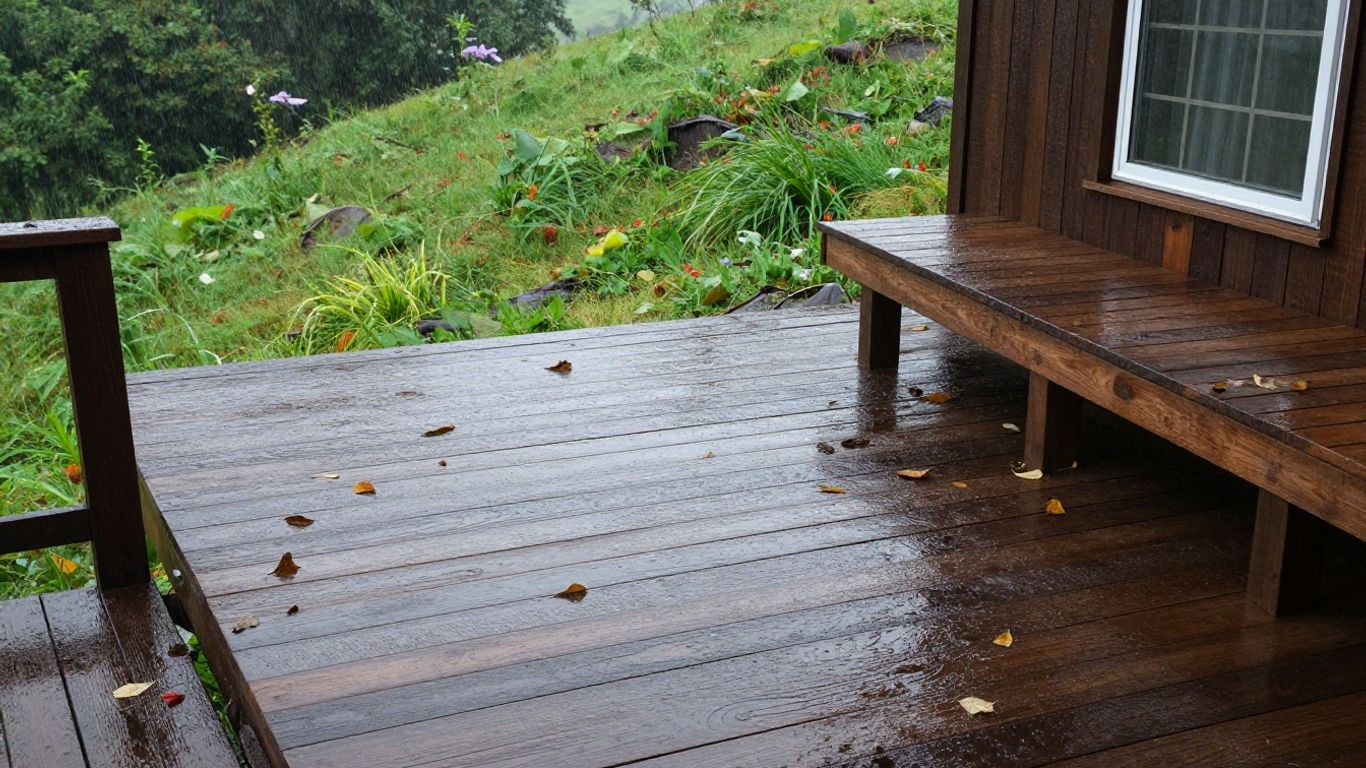
March in the Hill Country often brings a mix of rain and wind, and we need to think about our outdoor living spaces. Our deck furniture and any fixtures attached to it need some attention before the weather really starts to act up. It’s not just about keeping things dry; it’s about preventing damage from strong gusts and prolonged dampness.
Store Or Secure Outdoor Items
First off, let’s talk about the stuff we put on the deck. Cushions, umbrellas, potted plants, grills – these can all become projectiles in high winds if not secured. We’ve found that a good strategy is to bring in anything that’s lightweight or easily damaged. For those larger items like patio tables and chairs, we make sure they’re either heavy enough to stay put or we tie them down. Sometimes, we’ll even stack chairs and secure them together. It might seem like a bit of work now, but it saves a lot of hassle later if something gets blown away or broken.
- Consider bringing in all fabric cushions and pillows. They absorb water and can get moldy. Store them in a shed, garage, or even inside the house if space allows.
- Secure or store patio umbrellas. These act like sails and can cause significant damage. Retract them fully and tie them down, or better yet, take them down and store them.
- Anchor down lightweight furniture. Use bungee cords or tie-downs to secure chairs and tables to the deck’s railing or other sturdy points.
- Protect your grill. If it’s a smaller portable grill, consider moving it to a more sheltered location. Larger built-in grills should be covered with a heavy-duty, waterproof cover.
Address Drainage Around The Deck
Poor drainage is a deck’s worst enemy, especially when you’re dealing with heavy rain. Water that pools around the base of your deck can lead to rot, mold, and even foundation issues over time. We need to make sure that water flows away from the deck structure, not towards it. This means checking gutters, downspouts, and the general slope of the ground around your deck.
We’ve learned that even small adjustments to how water moves can make a big difference. Sometimes it’s as simple as clearing out a clogged downspout or adding a bit of soil to create a gentle slope away from the deck posts. Don’t underestimate the power of good drainage; it’s a silent protector of your deck and everything on it.
Here are a few things we check:
- Gutters and Downspouts: Make sure they are clear of leaves and debris. If downspouts direct water towards the deck, consider extending them further away.
- Ground Slope: Observe the ground around your deck. Does it slope away from the house and deck? If not, you might need to add soil or landscaping to create a positive grade.
- Deck Surface Drainage: While we’ve already talked about waterproofing the deck itself, also check that the boards aren’t holding water in low spots. Sometimes, a slight warp or unevenness can create puddles.
- Under-Deck Area: If you have a crawl space under your deck, ensure it’s not collecting water. Proper ventilation and grading are key here.
Ready for Whatever Comes Our Way
So, we’ve gone through the steps to get our decks ready for the March weather here in the Hill Country. It might seem like a lot, but taking these actions now means we won’t have to worry as much when the rain starts falling and the wind picks up. We’ve checked the structure, cleaned things up, and put down some protection. This way, our outdoor spaces can handle whatever the season throws at them, and we can still enjoy them without constant repairs. Let’s hope for the best, but we’re prepared for the worst.
Frequently Asked Questions
How often should we check our deck for problems before the rainy season?
We recommend giving your deck a thorough look-over at least twice a year. A good time to do this is before the spring storms hit and again in the fall. This way, we can catch any issues early and fix them before they become big problems.
What’s the best way to keep our deck from getting damaged by heavy rain?
The key is to make sure the wood is protected. We should clean the deck well and then apply a good quality sealer or stain. This creates a barrier that repels water, preventing rot and warping. Think of it like putting on a raincoat for your deck!
Should we move our patio furniture when it rains a lot?
Yes, it’s a smart idea. Moving furniture, grills, and other items off the deck or covering them securely helps protect them from water damage and prevents them from being blown around by strong winds. We also want to make sure water can drain away from the deck easily so puddles don’t form.
