


When the weather turns wet, keeping our outdoor spaces usable can be a challenge. We want areas that look good and hold up against the rain. That’s where vinyl flooring comes in. We’ve been looking into how vinyl can make our decks and patios ready for any downpour, making them a practical choice for gloomy days.
Key Takeaways
- Choosing vinyl flooring means looking for types made for wet conditions. We need to check what makes them good for rain.
- Proper installation is key for keeping water out. We also found that taking care of the vinyl helps it last longer, especially when it’s wet a lot.
- Focusing on vinyl deck waterproofing helps prevent damage and keeps our outdoor areas nice, even with lots of rain.
Choosing The Right Vinyl For Wet Weather
When we think about vinyl flooring, especially for areas that see a lot of moisture, like entryways or kitchens, we need to be smart about our choices. It’s not just about picking a pretty pattern; we’ve got to consider how it’ll hold up when things get damp. The right vinyl can make a huge difference in how your floors look and feel, even after a downpour.
Understanding Vinyl Flooring Benefits
Vinyl has become a go-to for many homeowners, and for good reason. It’s generally quite forgiving. For starters, it’s pretty tough. Spills? No big deal, usually. Kids running around? It can take a beating. Plus, it’s often easier on the wallet compared to other flooring types. We also like that it comes in so many styles now. You can get looks that mimic wood or stone without the high cost or the upkeep.
- Water Resistance: Most vinyl is naturally resistant to water, which is a big plus.
- Durability: It holds up well against daily wear and tear.
- Style Variety: From realistic wood grains to modern abstract designs, there’s something for everyone.
- Affordability: It’s a budget-friendly option that still looks good.
Key Features For Rainy Day Performance
So, what makes vinyl great for rainy days? It really comes down to a few specific things. We’re looking for vinyl that doesn’t just resist water on the surface but also doesn’t let it seep underneath. That’s where things can get tricky.
- Waterproof vs. Water-Resistant: This is a big one. While many vinyls are water-resistant, meaning they can handle spills for a while, waterproof vinyl means the material itself won’t be damaged by water, and it often has a more secure locking system to prevent water from getting between planks or tiles. We always aim for waterproof when possible.
- Wear Layer Thickness: This is the clear top coat on the vinyl. A thicker wear layer (measured in mils) means better protection against scratches and scuffs, which is important if you’re tracking in wet dirt or grit.
- 12 mil: Good for moderate traffic.
- 20 mil: Better for high-traffic areas.
- 30 mil+: Excellent for very heavy use.
- Core Material: Look for vinyl with a solid core, like SPC (Stone Plastic Composite) or WPC (Wood Plastic Composite). These are denser and less likely to swell or warp if they do get wet, unlike some older, softer vinyl types.
When choosing vinyl for wet areas, think about the whole picture. It’s not just about the top surface. We need to consider how the planks or tiles connect and what the core material is made of. A good quality, waterproof vinyl with a solid core and a decent wear layer is our best bet for keeping things dry and looking good, no matter the weather outside.
We also need to think about the texture. Some vinyl can get quite slippery when wet. A slightly textured surface can provide a bit more grip, which is a nice safety feature, especially if you have kids or older folks in the house. It’s a small detail, but it adds up to a more comfortable and secure feeling underfoot.
Ensuring Superior Vinyl Deck Waterproofing
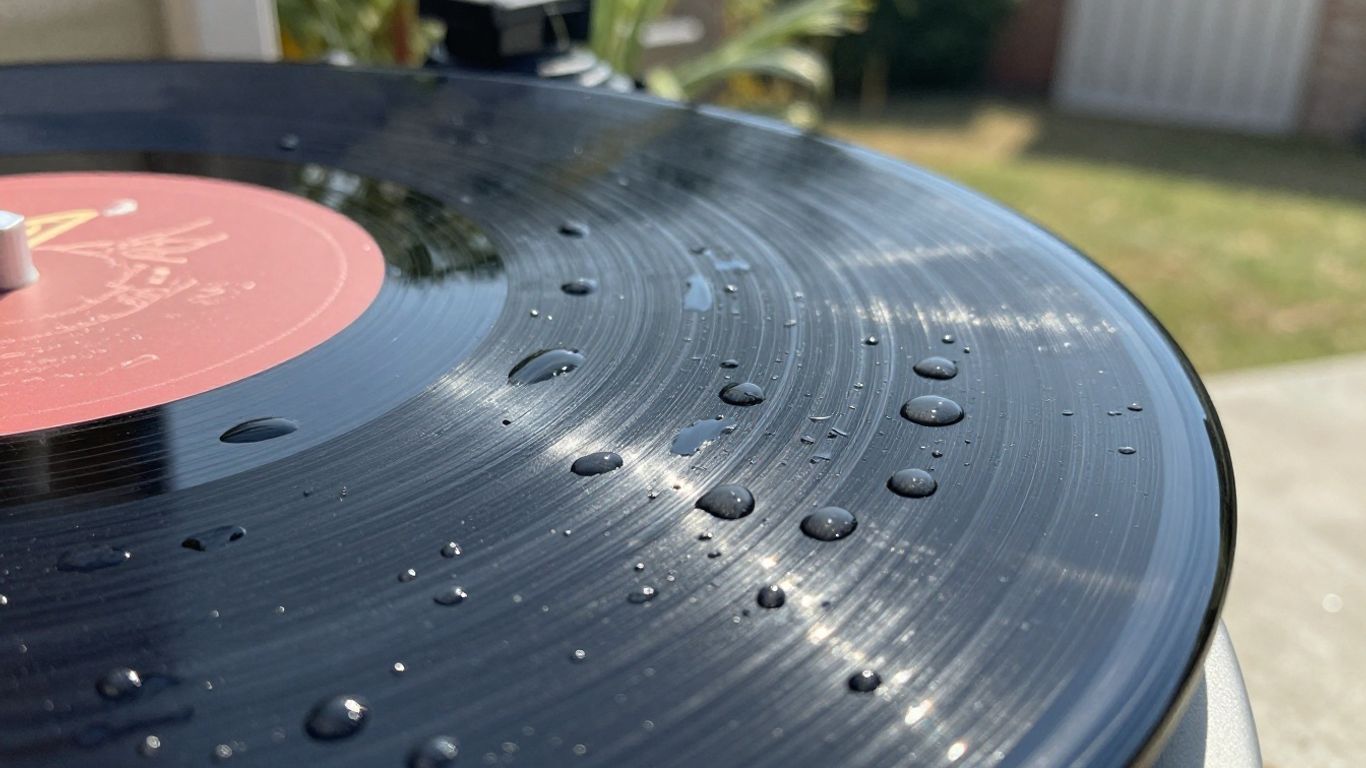
When we talk about vinyl flooring for rainy days, we’re not just thinking about how it looks, but how it performs. Making sure your vinyl deck stays waterproof is a big part of that. It’s about keeping water out and keeping your deck looking good for years, even with all the rain we get.
Installation Techniques For Maximum Protection
Getting the installation right from the start is key. We’ve found that a few specific steps make a world of difference in keeping water from seeping where it shouldn’t.
- Proper Subfloor Preparation: Before laying any vinyl, we always make sure the subfloor is clean, dry, and level. Any bumps or damp spots can cause problems down the line.
- Seam Sealing: This is where a lot of water can get in. We use a high-quality, waterproof adhesive specifically designed for vinyl flooring. For extra peace of mind, especially in high-traffic areas or where water might pool, we sometimes use a secondary seam sealer.
- Edge Sealing: Don’t forget the edges! We make sure the vinyl is properly sealed around the perimeter of the deck, using appropriate caulking or trim to create a barrier against moisture.
- Drainage Considerations: While the vinyl itself is waterproof, we also think about how water drains off the deck. Proper slope and ensuring drain covers aren’t blocked helps a lot.
Maintenance Tips For Long-Term Durability
Even the best installation needs a little upkeep. Regular care helps maintain that waterproof barrier and keeps your vinyl looking its best.
- Regular Cleaning: We sweep or vacuum regularly to remove dirt and grit that can scratch the surface. For deeper cleaning, a mild soap and water solution is usually all we need. We avoid harsh chemicals that can break down the vinyl or its protective layers.
- Inspect for Damage: A quick look-over every few months is a good idea. We check for any lifting edges, loose seams, or scratches. Catching small issues early stops them from becoming big, water-related problems.
- Address Spills Promptly: If something spills, especially something sticky or colored, we wipe it up right away. While vinyl is tough, letting spills sit can sometimes lead to staining or damage.
We’ve learned that taking a little extra time during installation and being consistent with simple maintenance makes a huge difference. It’s not complicated, but it does require attention to detail. This approach helps us avoid costly repairs and keeps our decks ready for whatever the weather throws at them.
Here’s a quick look at what we focus on:
| Feature | Importance for Waterproofing | Our Approach |
|---|---|---|
| Adhesive | Seals seams, prevents leaks | Use waterproof, high-quality vinyl adhesive |
| Edge Treatment | Blocks water ingress | Caulk or seal edges thoroughly |
| Subfloor Condition | Prevents moisture buildup | Ensure dry, level, and clean before installation |
| Regular Cleaning | Maintains surface integrity | Sweep often, clean with mild soap and water |
| Periodic Inspection | Catches early damage | Check seams, edges, and surface regularly |
So, What’s the Takeaway?
We’ve looked at how vinyl flooring can really be a good choice when the weather turns wet. It’s tough, it keeps water out, and honestly, it feels pretty nice under your feet, which is a big plus when you’re tracking in mud or just coming in from a downpour. We think it’s a smart move for anyone wanting a floor that can handle a bit of a mess without a fuss. It’s practical, looks good, and makes life a little easier when those rainy days hit. Give it some thought for your own home; we’re pretty sure you won’t regret it.
Frequently Asked Questions
Can vinyl flooring truly keep our home dry when it’s pouring outside?
Absolutely! When we choose the right kind of vinyl and make sure it’s put down correctly, it’s a fantastic shield against water. We look for vinyl specifically made to handle moisture, and proper installation means fewer gaps for water to sneak through. It’s a great way to keep our floors looking good and our homes dry, even after a big storm.
What makes some vinyl floors better for wet conditions than others?
We find that vinyl with a thicker wear layer and a strong waterproof core performs best. It’s also important that the edges fit together tightly, almost like puzzle pieces, to prevent water from seeping underneath. Some vinyl even comes with a special backing that adds an extra layer of protection. We always check the product details to make sure it’s built for damp environments.
How can we keep our waterproof vinyl floors in top shape during the wet season?
Taking good care of our vinyl floors is key. We recommend wiping up spills right away, even though the vinyl is waterproof, as standing water can eventually affect the subfloor. Regular sweeping and occasional mopping with a mild cleaner will keep them looking great. We also make sure to check the seals around the edges periodically to ensure they’re still tight and doing their job.
