


When we think about building or renovating in the Hill Country, we often focus on how things look. But what about how they hold up? The weather here can be pretty wild, swinging from hot and dry to wet and humid, sometimes in the same week. This means the materials we choose really matter, especially things like the waterproof vinyl membrane that protects our homes. Getting this right is key to avoiding problems down the road.
Key Takeaways
- Hill Country weather means big temperature swings and lots of rain, which can stress vinyl membranes.
- Look for a hill country weatherproof vinyl membrane that can handle these changes, with good UV resistance and flexibility.
- Proper installation is just as important as the membrane itself for making sure it lasts.
Understanding Hill Country Weather Challenges for Vinyl Membranes
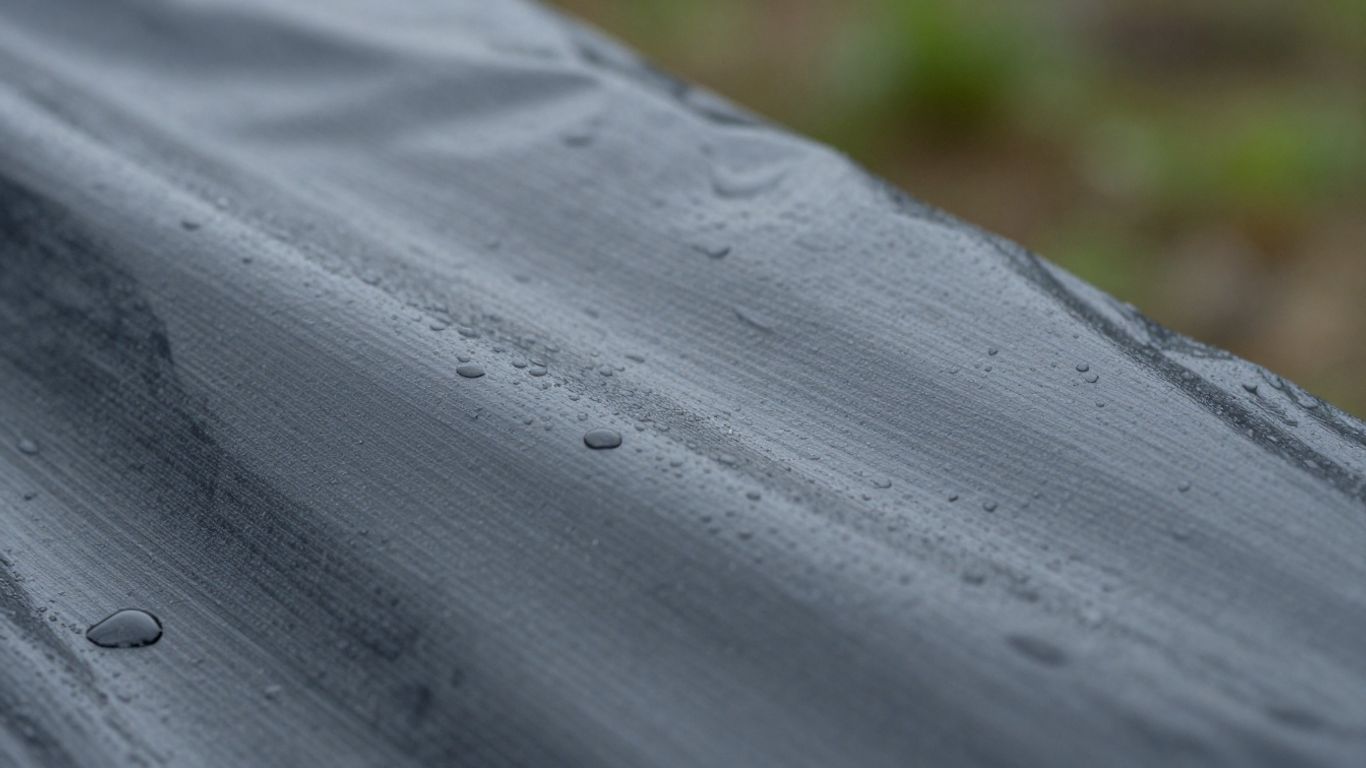
When we think about protecting our homes and structures in the Texas Hill Country, we have to consider the weather. It’s not just hot; it’s a whole mix of conditions that can really test materials like vinyl membranes. We’ve seen firsthand how these elements can wear things down over time.
Extreme Temperature Fluctuations
The Hill Country is known for its wild temperature swings. One day it might be cool and pleasant, and the next, we’re hitting triple digits. Then, just as quickly, a cold front can blow in. This constant back-and-forth between hot and cold puts a lot of stress on vinyl. Think about it like bending a plastic ruler over and over – eventually, it’s going to crack. For vinyl membranes, these temperature changes can cause them to expand and contract. If this happens too much, or too often, it can lead to seams splitting or the material itself becoming brittle. We’ve had projects where membranes that looked fine initially started showing signs of wear after just a couple of seasons because they couldn’t handle the rapid temperature shifts.
- Daily temperature swings: From morning lows to afternoon highs.
- Seasonal extremes: Hot summers followed by surprisingly cold winters.
- Sudden fronts: Rapid changes that shock the material.
High Humidity and Rainfall Impact
Beyond the heat and cold, we also deal with a good amount of moisture. The Hill Country can get periods of high humidity, which means there’s a lot of water vapor in the air. Then, when the rain comes, it can be intense. Heavy downpours are common, and sometimes, water can sit for a while. For a vinyl membrane, this isn’t just about keeping water out; it’s also about what happens underneath. If moisture gets trapped, it can lead to mold and mildew growth, which is a whole other problem. Plus, constant dampness can affect the adhesion of the membrane, making it more likely to peel away or lose its effectiveness over time. We’ve learned that a membrane needs to be more than just waterproof; it needs to be able to handle being wet and humid without breaking down.
The combination of heat, cold, and moisture creates a tough environment. Materials need to be flexible enough to handle expansion and contraction, strong enough to resist cracking, and resistant to the damaging effects of prolonged dampness and mold growth.
Here are some things we look out for:
- Waterproofing integrity: Does it truly keep water out, even under pressure?
- Moisture vapor transmission: Can it let trapped moisture escape, or does it seal it in?
- Resistance to degradation: How well does it hold up against UV rays, mold, and mildew?
- Flexibility in varying temperatures: Can it stretch and shrink without failing?
Selecting the Optimal Hill Country Weatherproof Vinyl Membrane
Choosing the right vinyl membrane for our Hill Country homes means looking at what really holds up against our wild weather. We’ve seen how quickly things can change here, from scorching sun to sudden downpours. So, when we pick a membrane, we need something tough.
Key Features of a Durable Vinyl Membrane
When we’re shopping for a vinyl membrane, there are a few things we should really pay attention to. It’s not just about the brand name; it’s about what the material can actually do.
- UV Resistance: The Texas sun is no joke. We need a membrane that won’t break down or get brittle after years of direct sunlight. Look for membranes specifically rated for high UV exposure.
- Flexibility in Temperature Swings: Our temperatures can jump or drop significantly, sometimes within the same day. A good membrane stays flexible, so it won’t crack when it’s cold or get too soft and sticky when it’s hot.
- Puncture and Tear Strength: Things can happen, whether it’s during installation or just from debris. A stronger membrane is less likely to get damaged, which means fewer leaks down the road.
- Waterproofing Capability: This might seem obvious, but we need to be sure it’s truly waterproof, not just water-resistant. Check the hydrostatic head rating if you can find it – higher numbers mean better water blockage.
We’re looking for a membrane that’s built to last through our unique climate.
Installation Best Practices for Longevity
Even the best membrane won’t perform well if it’s not put in right. Proper installation is just as important as picking the right product.
- Surface Preparation: Make sure the surface where the membrane will go is clean, dry, and smooth. Any sharp objects or debris can cause problems later.
- Proper Adhesion: Use the recommended adhesive or fastening method for the specific membrane. We want a solid bond that won’t let go, even with wind and rain.
- Overlapping Seams: Overlap the membrane sections correctly, usually a specific width, and seal those seams thoroughly. This is often the weakest point if not done right.
- Flashing Details: Pay close attention to how the membrane is installed around edges, corners, and penetrations (like vents or pipes). This is where water often tries to sneak in.
Taking the time to get the installation right the first time saves us a lot of headaches and money in the long run. It’s about building it to withstand what the Hill Country throws at it.
We’ve found that membranes with good warranties often have good installation guides too, which can be a helpful sign. Don’t hesitate to ask installers about their experience with membranes in our specific weather conditions.
Wrapping It Up
So, we’ve looked at what makes Hill Country weather tough on homes. Picking the right waterproof vinyl membrane isn’t just about keeping water out; it’s about making sure your house stands up to those sudden storms and dry spells year after year. We’ve gone over the basics, and hopefully, you feel a bit more ready to make a good choice. It might seem like a small detail, but getting this right means fewer headaches down the road. Take your time, check the specs, and think about what your specific property needs. A little effort now saves a lot of trouble later.
Frequently Asked Questions
Why do we need special vinyl membranes for the Hill Country?
The Hill Country has really wild weather swings. We get super hot days and then cold snaps, sometimes in the same week! Plus, it rains a lot and stays damp. These changes can make regular vinyl crack or get damaged over time. We need a tough membrane that can handle all these ups and downs without breaking down.
What makes a vinyl membrane good for wet and humid places?
A good membrane for wet areas needs to be waterproof, of course, but it also needs to resist mold and mildew. We look for membranes that have strong seams that won’t let water seep through. Some are made with special materials that don’t get slippery or weak when they’re constantly wet, which is important for keeping things safe and sound.
How can we make sure our vinyl membrane lasts a long time?
Proper installation is key. We must make sure the surface underneath is clean and smooth before we put the membrane down. Following the manufacturer’s instructions for attaching it, like using the right glue or fasteners and sealing all the edges well, makes a huge difference. Taking care during installation helps prevent problems later on and ensures it does its job for many years.
