


As the rainy season approaches New Braunfels, we need to think about our balconies. Water buildup can cause a lot of problems if things aren’t set up right. We’ll look at how to make sure your balcony slopes correctly for water to run off and talk about balcony waterproofing solutions that work. Getting this done now means avoiding bigger headaches later.
Key Takeaways
- A gentle slope on your balcony is important so water doesn’t pool. We need to check if our balconies have this and fix it if they don’t.
- We should look into different balcony waterproofing solutions. This helps keep water out and stops damage.
- Setting up good drainage systems is also key. This works with the slope and waterproofing to move water away from our homes.
Ensuring Proper Balcony Slope For Effective Drainage
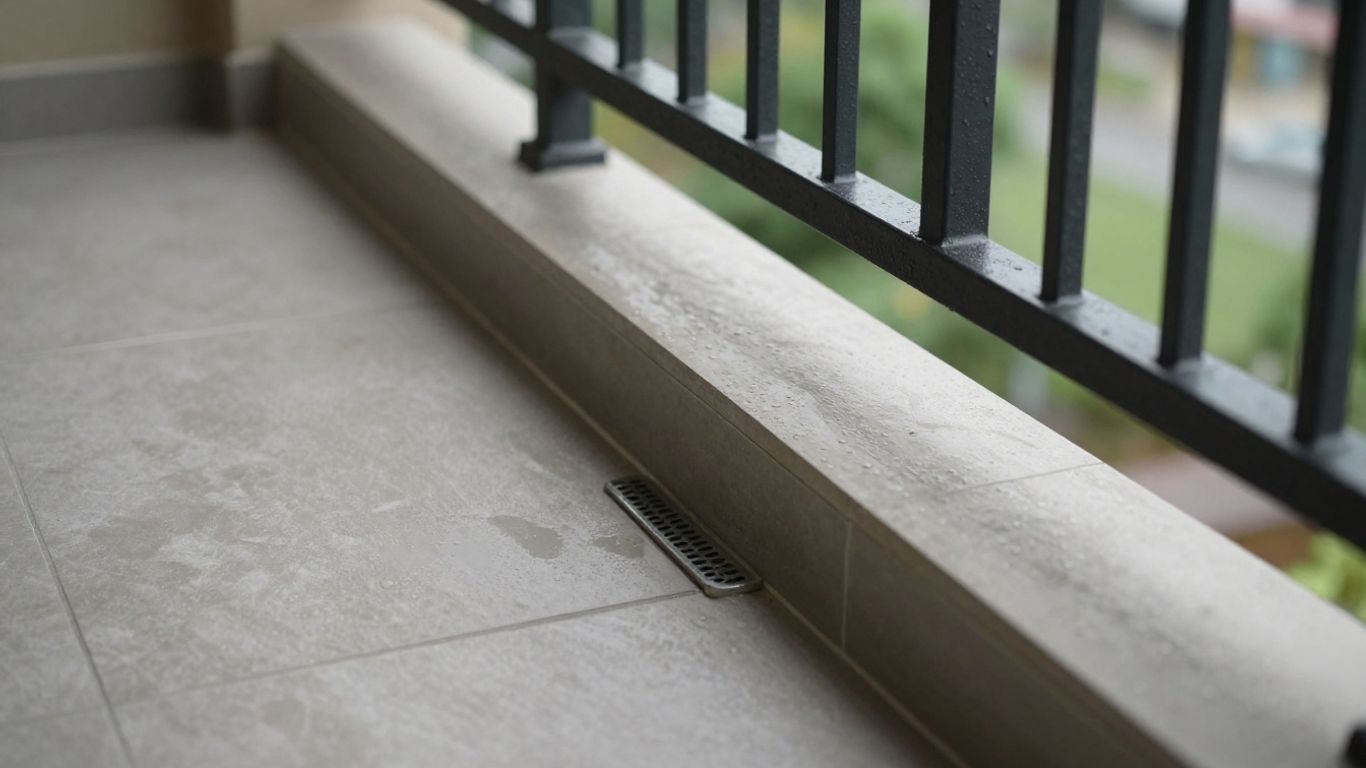
We all want our balconies to be usable spaces, not little swimming pools when the New Braunfels rain starts. That’s why getting the slope right is a big deal. Without it, water just sits there, which is bad news for your balcony’s structure and anything you might have stored or placed on it.
Understanding The Importance Of A Gradual Slope
A balcony needs a slight tilt away from the building. This isn’t about making it feel slanted when you’re standing on it; it’s about guiding water towards the edges or drainage points. Think of it like a very gentle ramp. This gradual slope lets rainwater run off naturally, preventing puddles. If water pools, it can seep into cracks, freeze and expand in colder months (though less common here, it’s still a risk), and generally wear down materials faster. We’re talking about protecting your investment and keeping the space functional.
Identifying And Correcting Existing Slope Issues
Sometimes, balconies aren’t built with the right slope, or over time, things shift. How do we check? A simple way is to use a level. Place it on the balcony floor and see if it reads flat or if it tilts. You can also get a general idea by looking at how water behaves after a rain. Does it collect in certain spots? If you notice pooling or your level shows a problem, it’s time to fix it. This might involve adding a leveling compound or, in more serious cases, adjusting the balcony’s structure. It’s better to catch these issues now than deal with water damage later.
- Check for low spots: Walk around and look for areas where water might gather.
- Use a long level: A longer level will give you a more accurate reading of the overall slope.
- Observe drainage: See where the water goes (or doesn’t go) when it rains.
Addressing slope issues before the rainy season is a proactive step that saves a lot of headaches down the line. It’s about preventing bigger, more expensive problems by taking care of the basics now.
Essential Balcony Waterproofing Solutions Before The Rains
As the rainy season approaches New Braunfels, we must turn our attention to keeping our balconies dry and sound. Water intrusion can cause a lot of damage over time, from rot to structural issues, and nobody wants that. Taking proactive steps now will save us a lot of headaches later.
Choosing The Right Waterproofing Membranes
When we talk about waterproofing membranes, we’re looking at the layers that stop water from getting through. There are a few types we can consider for our balconies:
- Liquid-Applied Membranes: These are like a thick paint that we roll or spray onto the surface. They dry to form a seamless barrier. They’re good for complex shapes and corners.
- Sheet Membranes: These come in rolls, kind of like big stickers. We lay them down and seal the seams. They’re often made of rubber or asphalt.
- Cementitious Coatings: These are mixed with water and applied like a plaster. They work well on concrete and can be painted over.
We need to pick one that fits our balcony’s material and how it’s used. For instance, a high-traffic balcony might need something tougher than a decorative one.
Implementing Effective Drainage Systems
Even with good waterproofing, we still need a way for water to get off the balcony. This is where drainage comes in. We don’t want water pooling up.
Here are some things to think about:
- Drain Outlets: These are the most direct way to get water away. We need to make sure they are clear of debris and properly installed so they don’t leak underneath.
- Sloping: As we’ve discussed, the slope itself is part of the drainage system. It guides the water towards the outlets.
- Guttering: Sometimes, especially with larger balconies, we might need to add small gutters along the edges to catch water and direct it to a downspout.
A well-designed drainage system works hand-in-hand with waterproofing. One without the other is like wearing a raincoat without pants – not very effective.
We should also check any existing drains for blockages. Leaves, dirt, and other bits can build up surprisingly fast. A quick clean-out now can prevent bigger problems when the rain starts.
Wrapping Up Our Balcony Talk
So, we’ve gone over why getting your balcony to slope right and drain well is a good idea, especially with the rain coming to New Braunfels. It’s not the most exciting topic, we know, but it really does make a difference. Taking a look at your balcony now, before the big storms hit, can save you a lot of headaches later on. We hope this helps you get your outdoor space ready. Happy fixing!
Frequently Asked Questions
Why does our balcony need to slope?
We need a slight slope on our balcony so that rainwater doesn’t just sit there. If water pools up, it can cause damage over time, like leaks into the rooms below or rot in the balcony’s materials. A gentle tilt helps guide the water away, keeping everything dry and safe.
What if our balcony doesn’t have a slope?
If we notice that water isn’t draining properly, it means the slope might be wrong or missing. We might need to fix it by adding a sloped layer or adjusting the existing surface. This is crucial before the rainy season starts to prevent water problems.
How do we stop rain from getting under the balcony?
To keep rain out, we should use special waterproof coverings, like membranes, that act as a shield. We also need to make sure we have good drainage systems, such as channels or pipes, to carry the water away from the balcony edges and foundation effectively.
